
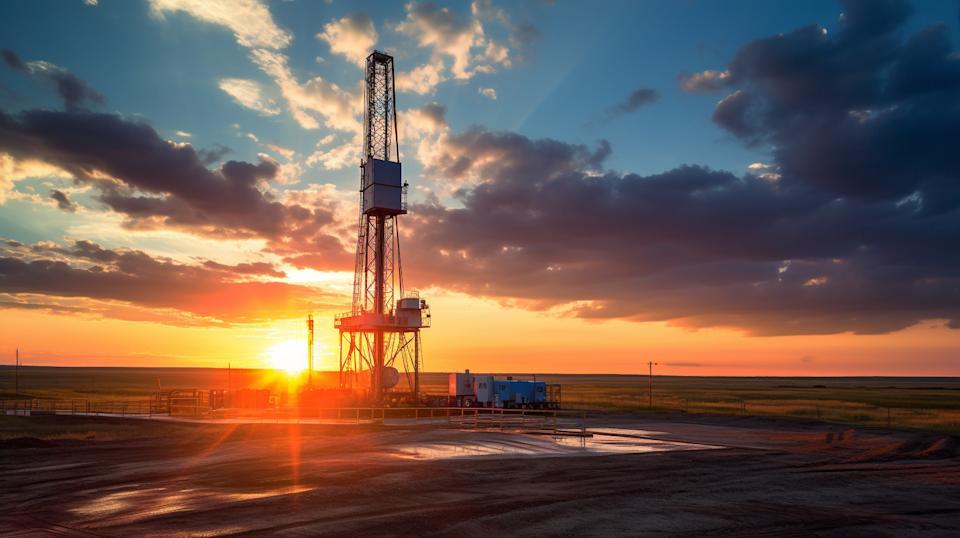
Oil & Gas Exploration, Field Development and Production
Exploring Iraq's energy landscape through geological knowledge, field assessment, technical coordination, and a focus on responsible oil and natural gas development across the Kurdistan Region and Iraq.
Understanding Iraq's Oil & Natural Gas Resources
Iraq is home to major hydrocarbon resources, from the established oil fields of the Kirkuk region to large producing fields in the south and natural gas developments in the Kurdistan Region.
Oil and gas projects rely on the combined work of geologists, geophysicists, petroleum and drilling engineers, field personnel, laboratory specialists, and authorized operating companies. Nawroz Energy Holding's page can present its relevant activities, technical partnerships, and field interests alongside this wider national industry context.
- Geological studies and subsurface evaluation
- Oil and natural gas field assessment
- Exploration, well testing, and development planning
- Coordination with qualified technical professionals
Key Hydrocarbon Regions in Iraq and Kurdistan
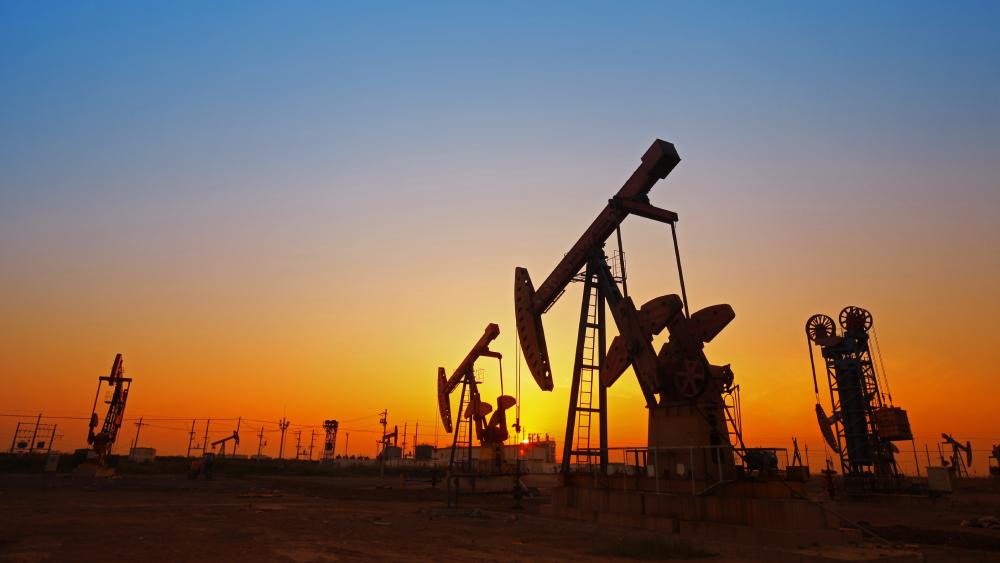
Iraq's oil and gas landscape includes long-established fields, developing assets, and exploration areas. The following regions provide industry context; they are not a list of fields owned or operated by Nawroz Energy Holding.
Kirkuk Oil Region
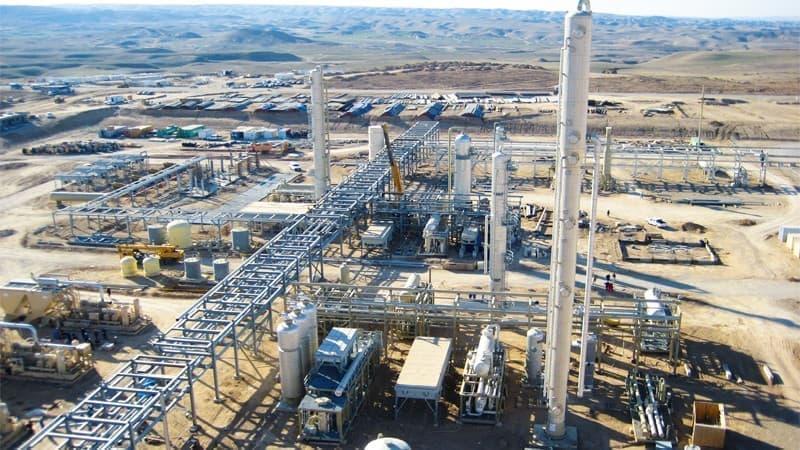
One of Iraq's historic petroleum-producing regions. The wider Kirkuk area includes Kirkuk, Bai Hassan, Jambur, and Khabbaz fields, which have been the subject of redevelopment and associated gas-capture initiatives.
Chamchamal & Khor Mor Gas Region
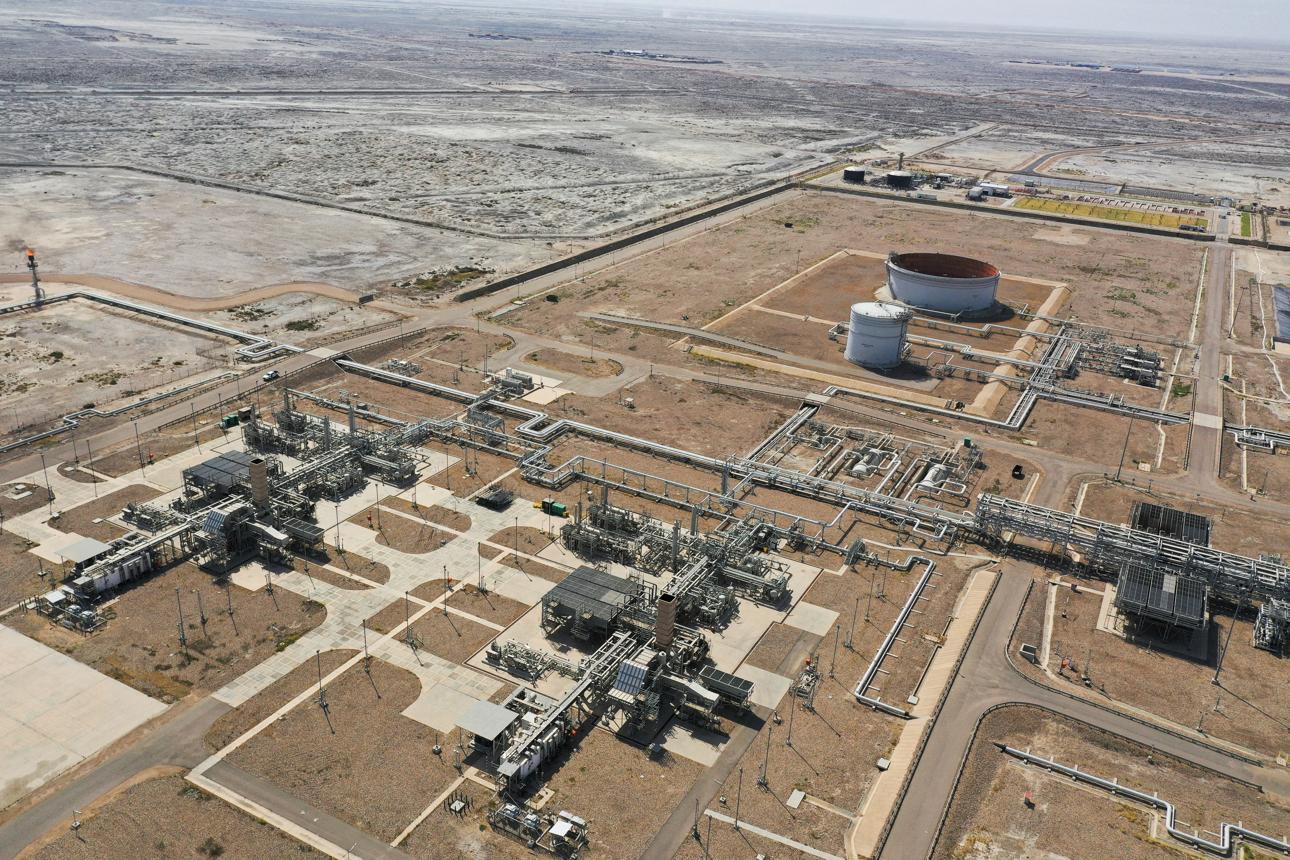
The Chamchamal area is associated with important natural gas resources. Khor Mor is a major producing gas field supplying gas for regional power generation. Field operations belong to their respective authorized operators.
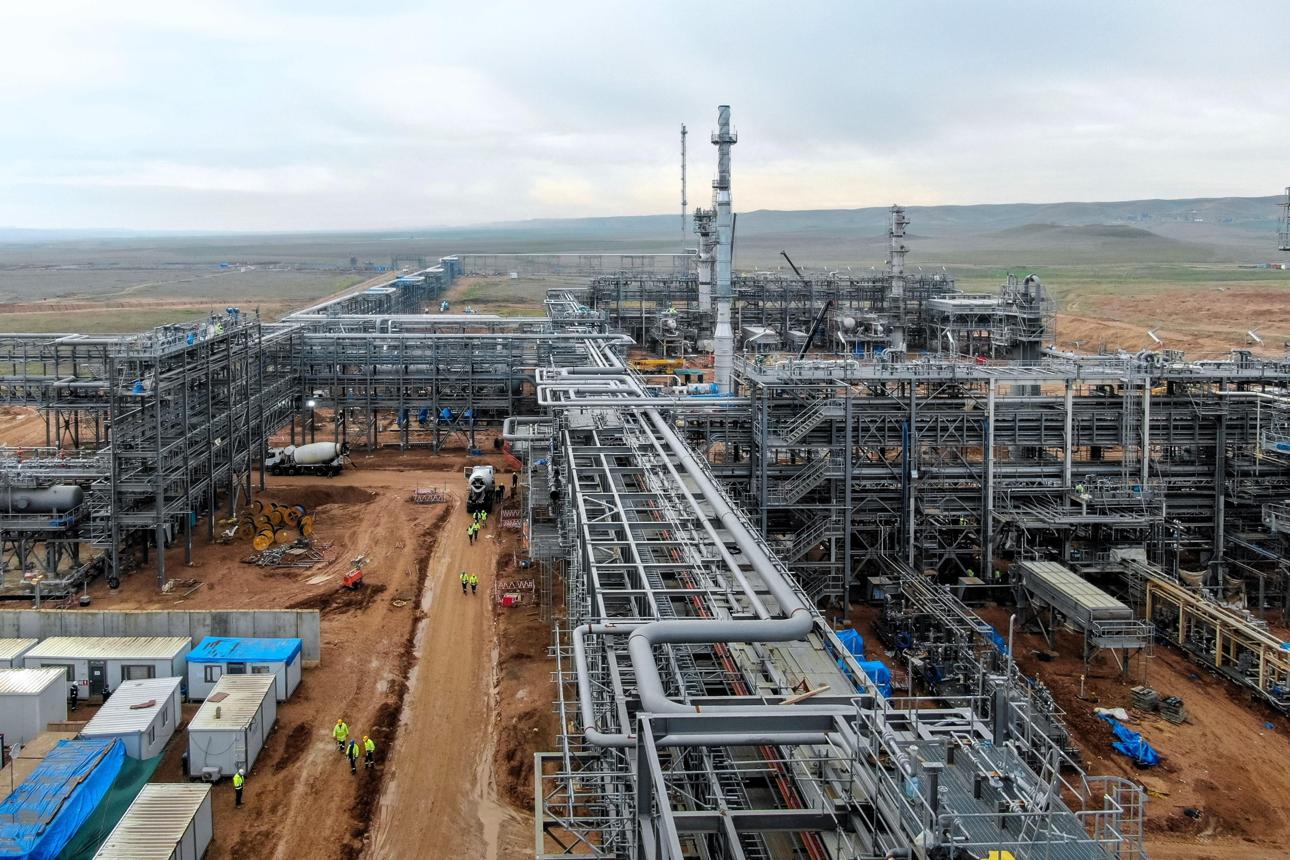
Other Northern Oil Areas
Northern Iraq contains additional producing areas and exploration opportunities. Work in each area depends on operating rights, contracts, permits, and the relevant government and regulatory arrangements.
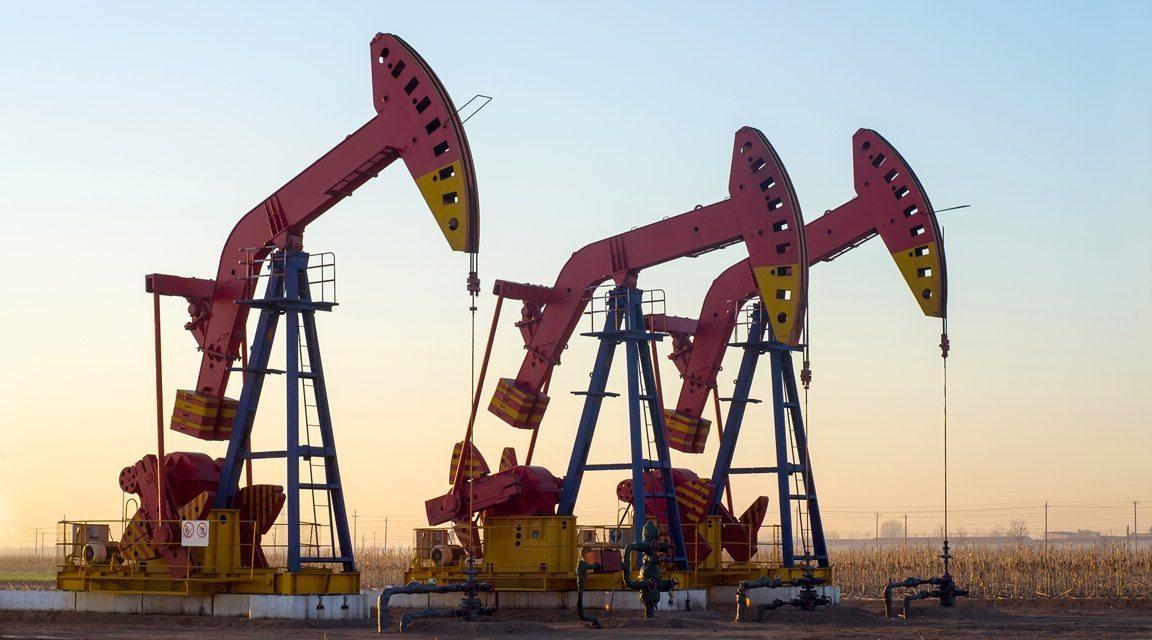
Rumaila & Southern Oil Fields
Southern Iraq contains several of the country's largest oil assets, including Rumaila and other major producing fields. These fields form a central part of Iraq's national petroleum sector.
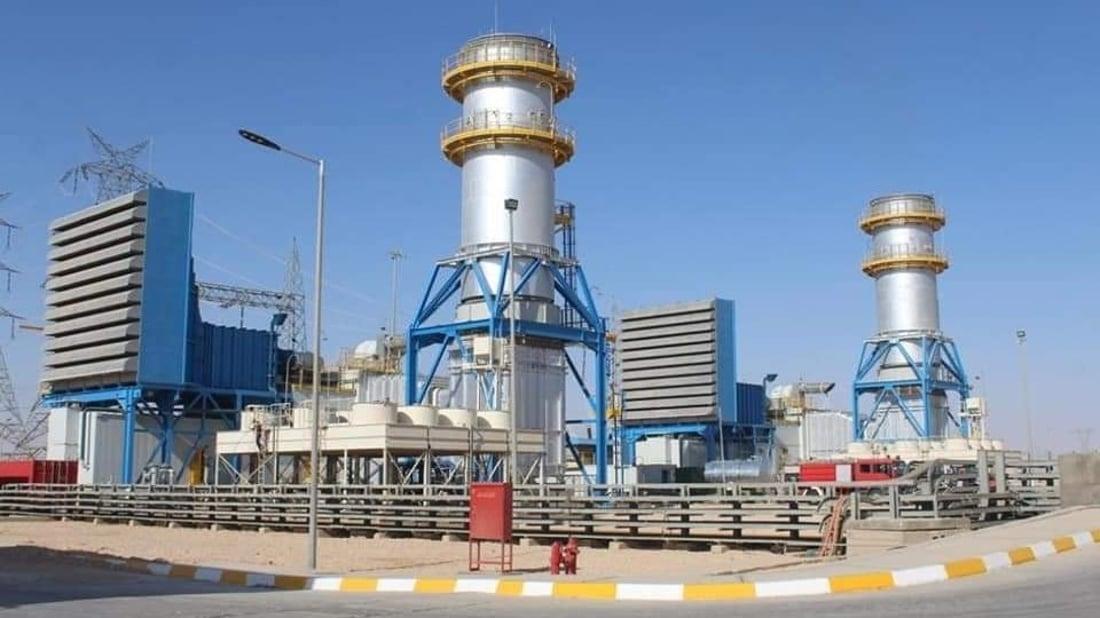
West Qurna & Majnoon
Major southern oil developments illustrate the scale of Iraq's petroleum industry and the role of reservoir management, production infrastructure, and associated gas use.
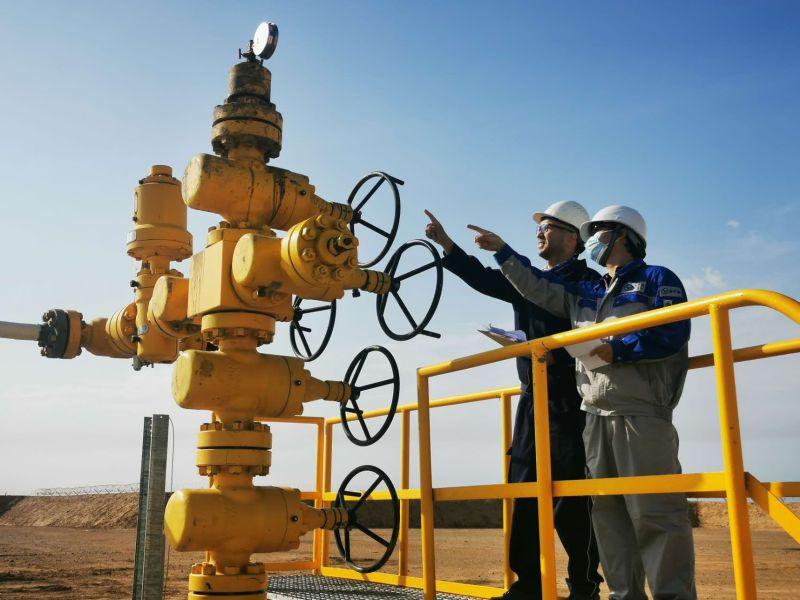
Akkas Gas Field
Akkas is a notable gas development in western Iraq. Its development demonstrates the importance of domestic natural gas resources for power generation and industrial use.
Field descriptions are general industry context. Confirm current operating status and company involvement before publishing specific project claims.
How Oil and Gas Resources Are Investigated
Exploration combines geological interpretation, geophysical data, laboratory analysis, and carefully planned drilling to evaluate subsurface formations and identify potential hydrocarbon reservoirs.
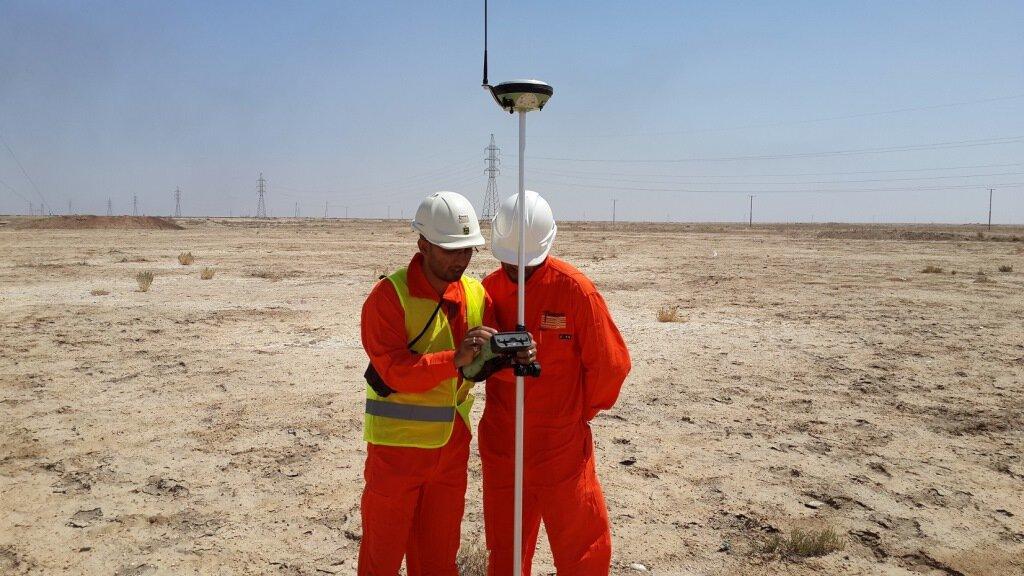
Geology and Geophysics Working Together
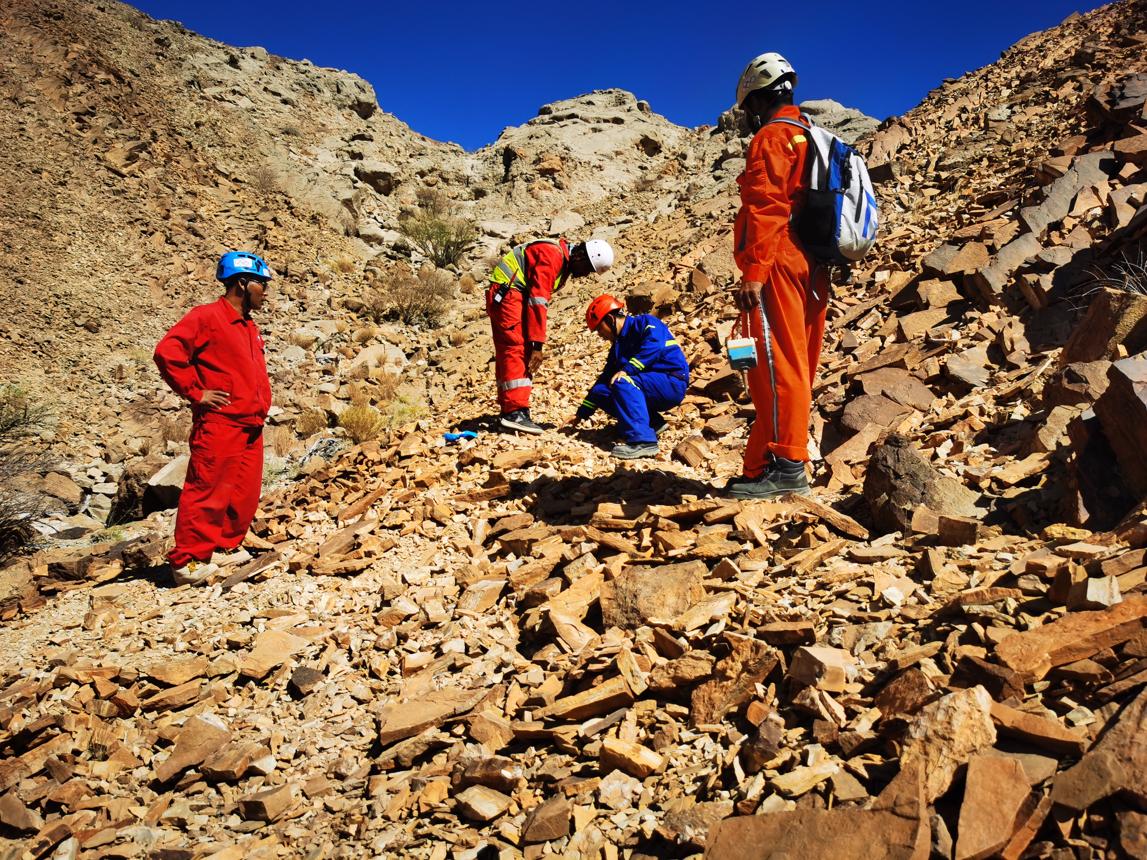
Geologists study rock formations, stratigraphy, structural features, and reservoir characteristics. Geophysical specialists interpret seismic and other subsurface data to help assess promising structures and guide exploration decisions.
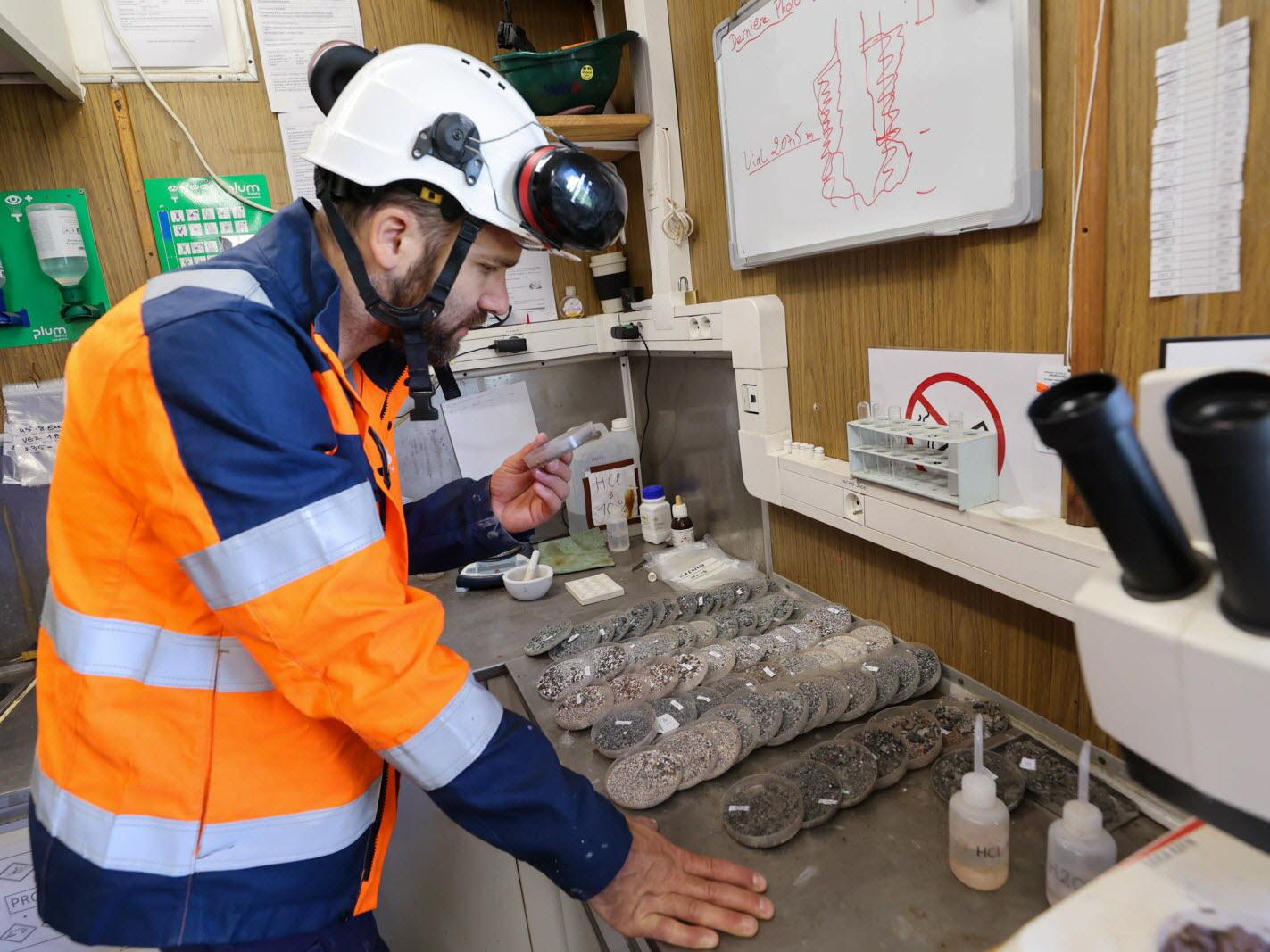
Core samples, cuttings, well logs, and laboratory results can contribute to formation evaluation and help technical teams assess reservoir properties and geological uncertainty.
- Geological mapping and structural interpretation
- 2D and 3D seismic data interpretation
- Well-log, core, and sample analysis
- Reservoir modelling and exploration risk assessment
Seismic Surveys
Geophysical measurements help specialists interpret subsurface structures and select areas for further investigation.
Exploratory Drilling
Authorized exploratory wells gather direct information about rock formations and whether hydrocarbons may be present.
Reservoir Evaluation
Geological models, petrophysical analysis, and test results help determine whether a discovery merits further development.
From a Tested Well to Production
The techniques used depend on reservoir pressure, fluid properties, well design, field infrastructure, and the approved development plan. Operations should be undertaken by qualified personnel under the applicable technical and safety controls.
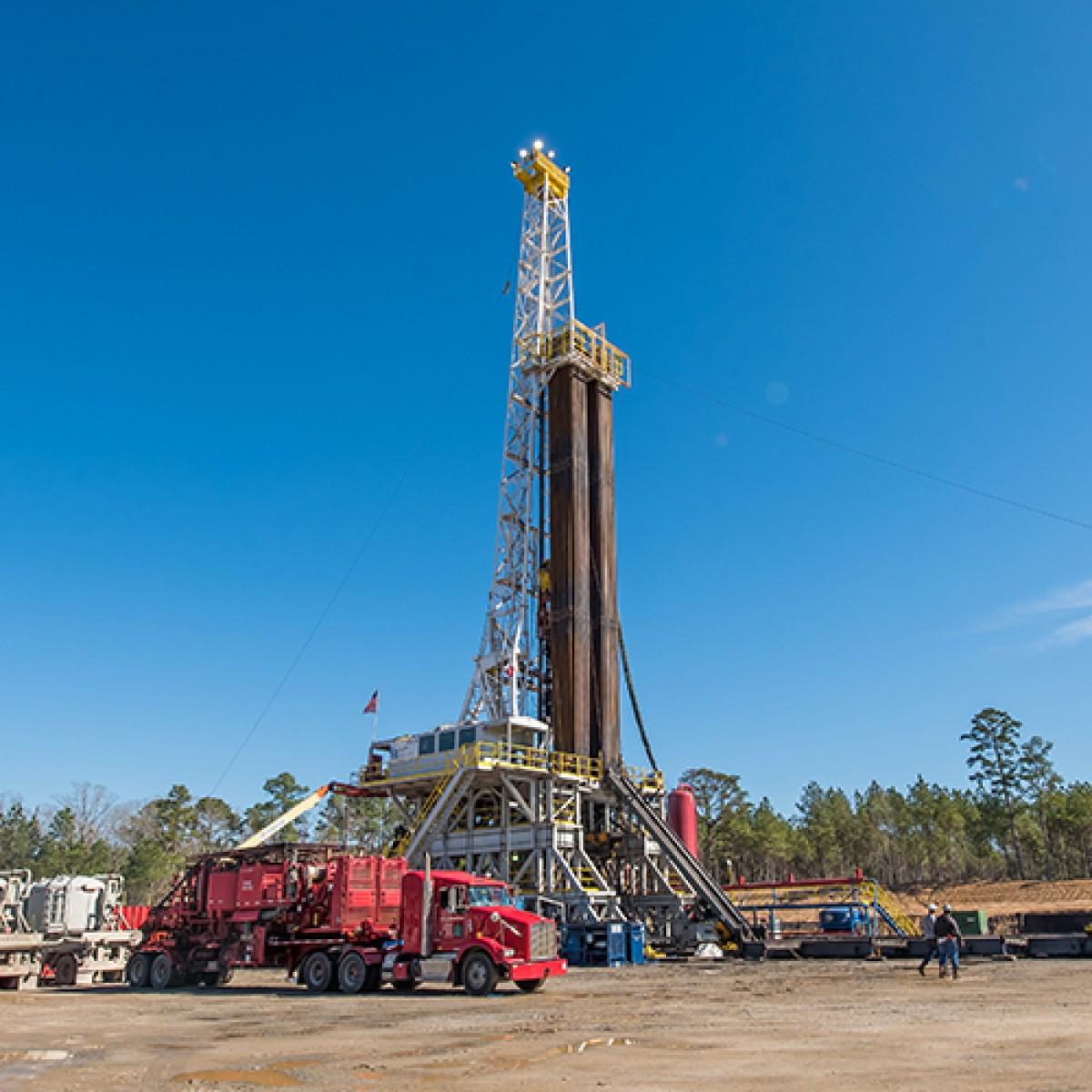
Drilling & Well Completion
Wells are drilled and completed according to geological forecasts, well designs, casing and cementing plans, and approved engineering programmes.
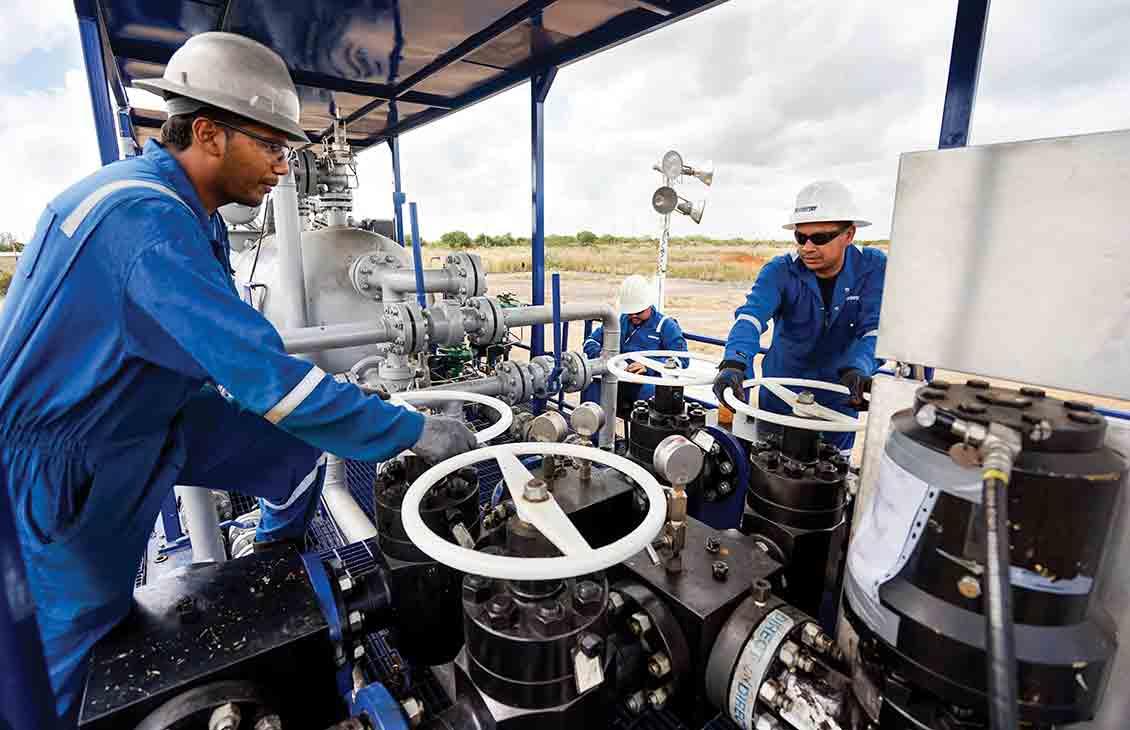
Well Testing & Flow Evaluation
Approved tests measure well response, pressure behaviour, fluid properties, and potential flow performance to support technical and development decisions.
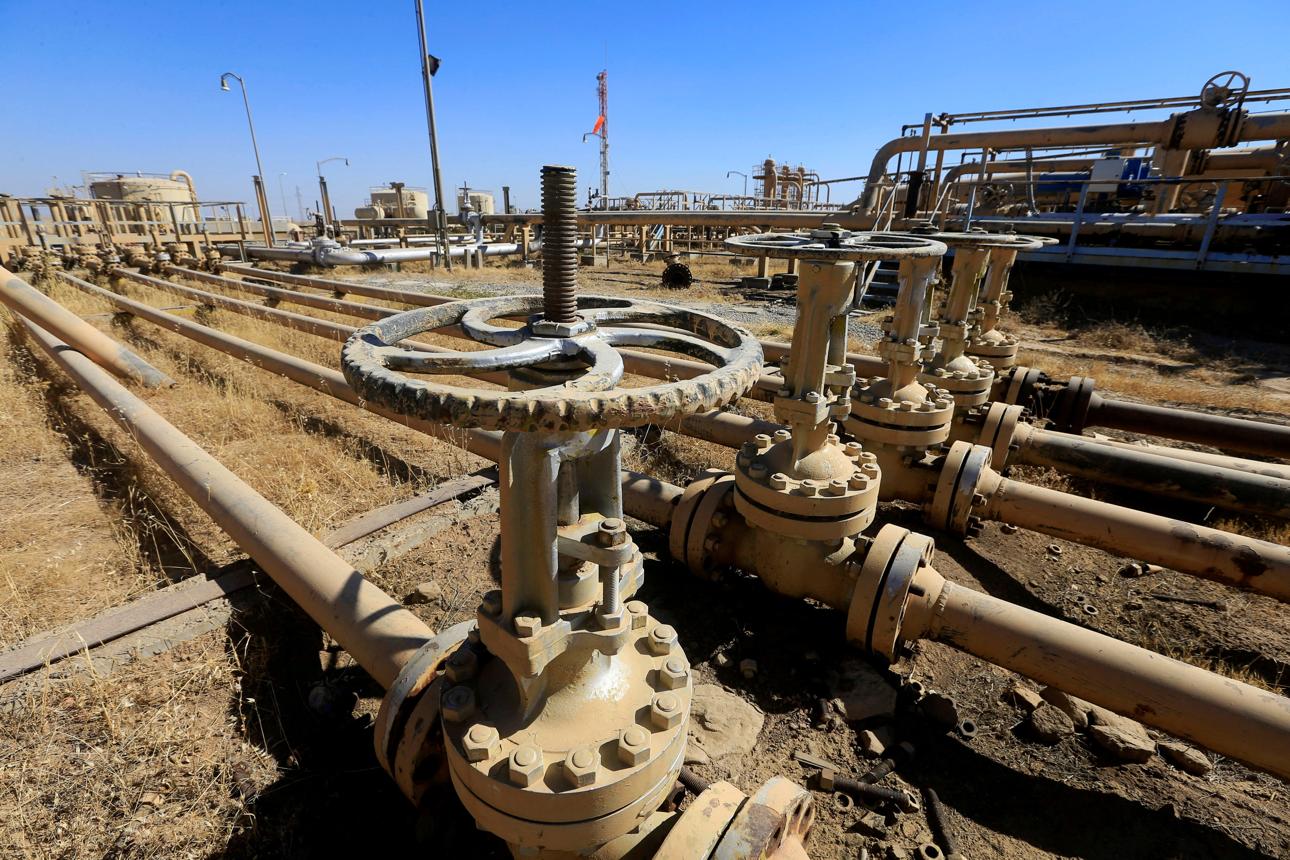
Production & Gas Handling
Production systems may include separation, treatment, measurement, storage, and transport facilities designed for the fluids and conditions of each field.
Natural Flow
Where reservoir conditions allow, natural pressure can move hydrocarbons to the surface through a properly designed well.
Artificial Lift
Suitable systems may help lift oil when natural reservoir energy is insufficient, subject to engineering evaluation.
Reservoir Management
Monitoring pressure, production trends, and fluid behaviour supports decisions about field performance and recovery.
Geological Knowledge and Engineering Coordination
Sound exploration and production decisions depend on reliable geological interpretation, engineering controls, documented field observations, and coordination with the relevant authorized organizations.
Where applicable to Nawroz's contracted work, company-employed geologists and qualified technical personnel can contribute to geological assessment, field reporting, well data review, and coordination with the Geological Syndicate in Sulaymaniyah and relevant professional and government bodies in Iraq.
Responsible Energy Operations
Oil and gas activities require careful planning, qualified supervision, and compliance with applicable legal, technical, environmental, and safety requirements.
- Operate only under the relevant contracts, permits, and approvals
- Use qualified personnel and applicable safety procedures
- Assess geological and operational risks
- Maintain appropriate technical and project documentation
- Consider environmental protection and responsible resource use
Discuss an Oil & Gas Project
For enquiries about exploration-related services, geological coordination, field evaluation, or energy-sector partnerships across Iraq and the Kurdistan Region, contact our team.