
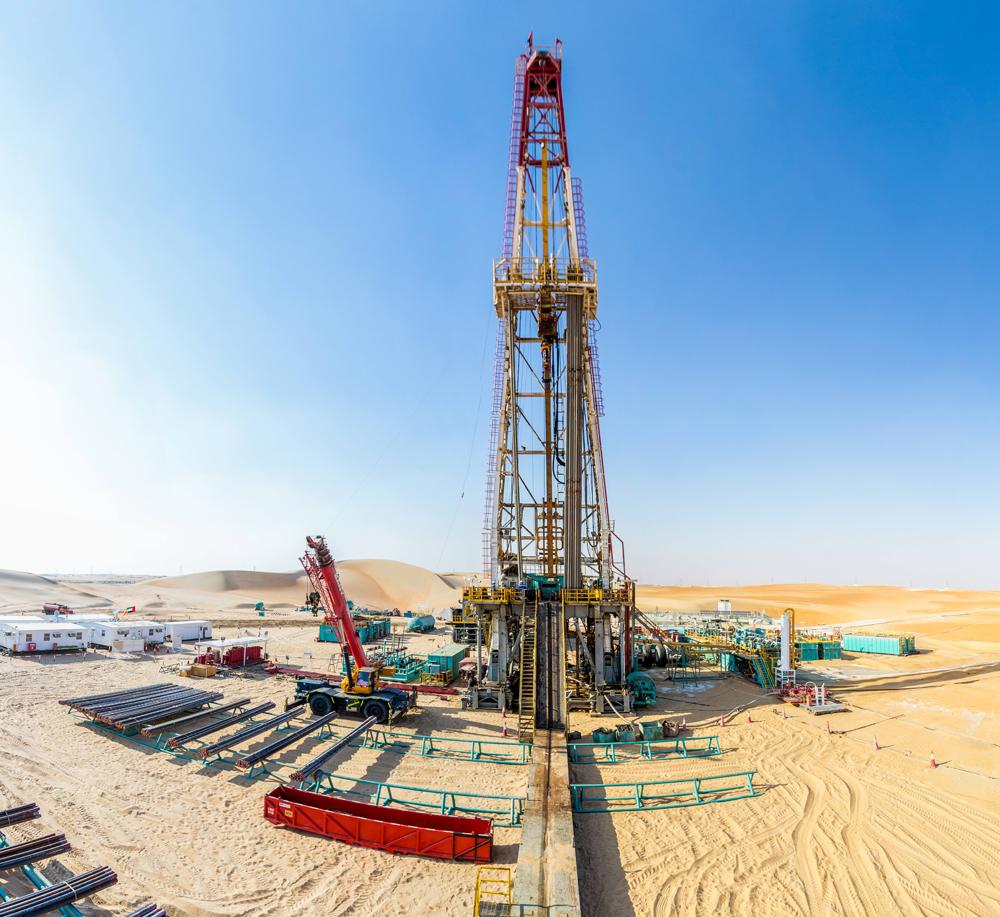
Well Drilling & Engineering Services
Exploring the well-drilling process across Iraq and the Kurdistan Region—from geological assessment and drilling design to well construction, testing, completion, and responsible operations.
Engineering the Path from Surface to Subsurface
Well drilling is a coordinated engineering activity that provides access to underground oil, natural gas, water, and other resources. In Iraq and the Kurdistan Region, drilling programmes must account for local geology, reservoir objectives, site conditions, and applicable permits and operating requirements.
A well programme typically brings together geologists, drilling engineers, rig crews, mud specialists, cementing teams, well-control personnel, and other technical professionals. Their work supports safe construction, geological data collection, and evaluation of the well's potential.
- Geological assessment and well planning
- Drilling equipment and technical coordination
- Casing, cementing, and well integrity
- Testing, completion, and production evaluation
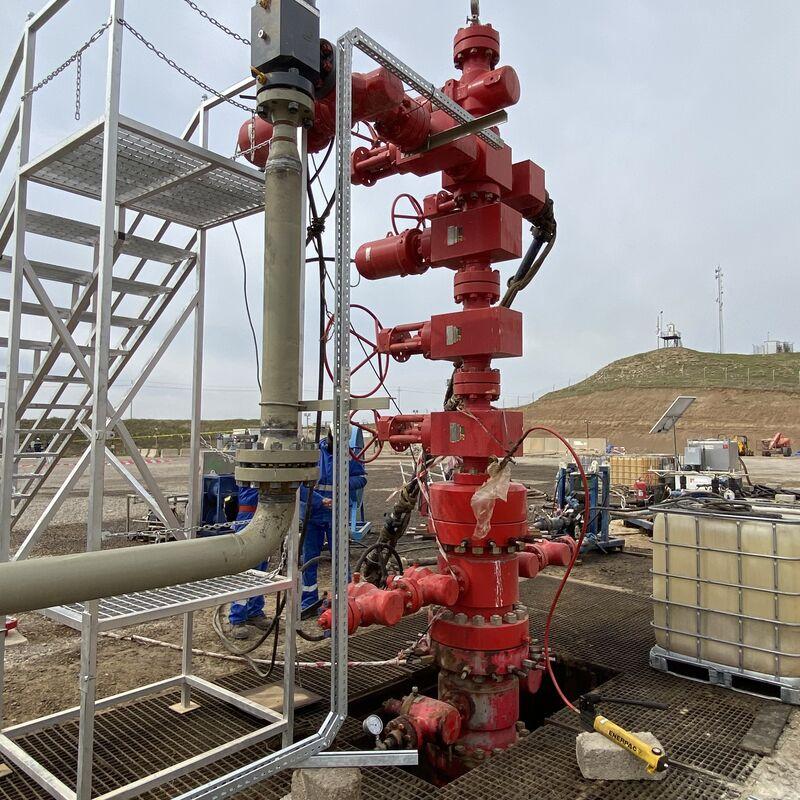
How a Well Is Drilled
Each well is designed for its geological setting and intended purpose. The sequence below describes a general industry process; actual programmes differ by field, well design, and operator requirements.
Geological Assessment
Review geological maps, seismic interpretations, well data, formation characteristics, and potential subsurface hazards.
Well Design & Planning
Prepare the well programme, target depths, casing design, drilling-fluid plan, equipment requirements, and risk controls.
Site Preparation
Prepare the approved location, access, rig foundation, utilities, equipment layout, and environmental controls.
Rig Mobilisation
Position and inspect the rig, handling equipment, power systems, pumps, fluid systems, and required well-control equipment.
Drilling & Monitoring
Drill according to the approved programme while monitoring drilling parameters, cuttings, fluid properties, and formation changes.
Casing & Cementing
Install designed casing strings and cement them as required to support the well and isolate formations.
Logging & Well Evaluation
Use appropriate well logs, samples, and other approved evaluation methods to assess formations and reservoir potential.
Testing & Completion
Where authorised, evaluate well performance and complete, suspend, or abandon the well according to the approved plan.
Equipment Used in Well Drilling
Well construction relies on integrated machinery and specialised systems selected for the planned depth, geology, pressure conditions, and drilling method.
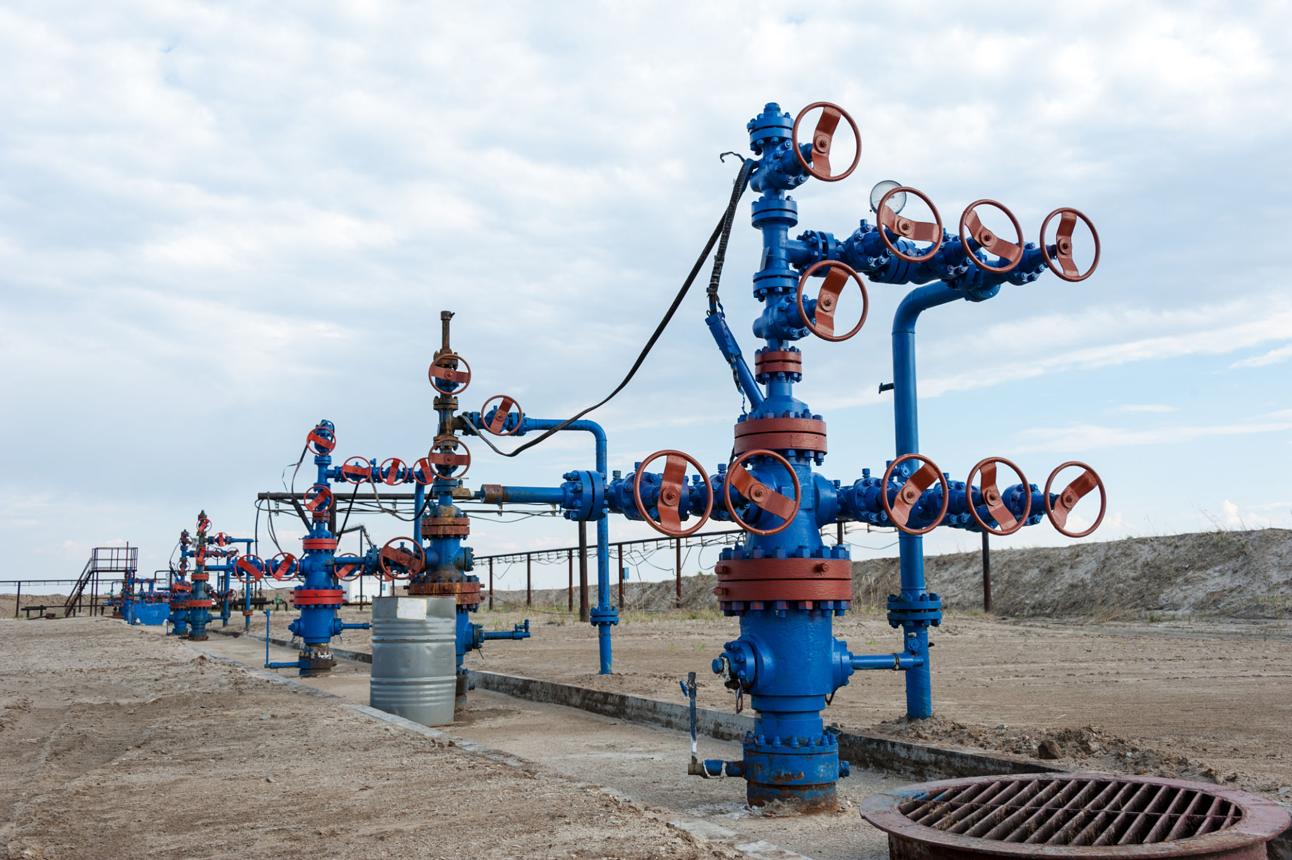
Drilling Rigs
Rig structures and hoisting systems support the drill string, lifting operations, and the handling of drilling equipment.
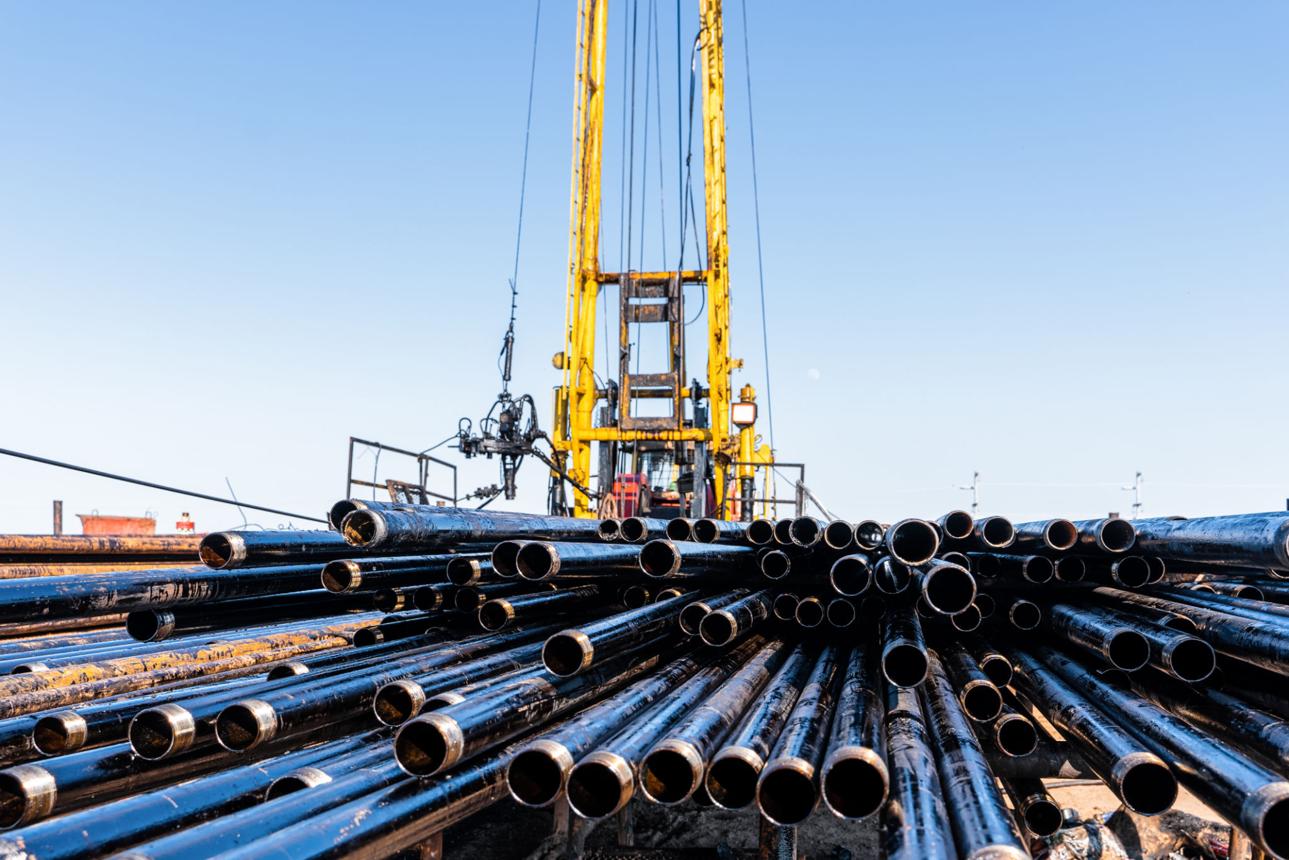
Drill Pipe, Bits & Tools
Drill bits, drill pipe, bottom-hole assemblies, and related tools are selected to suit the formation and well design.
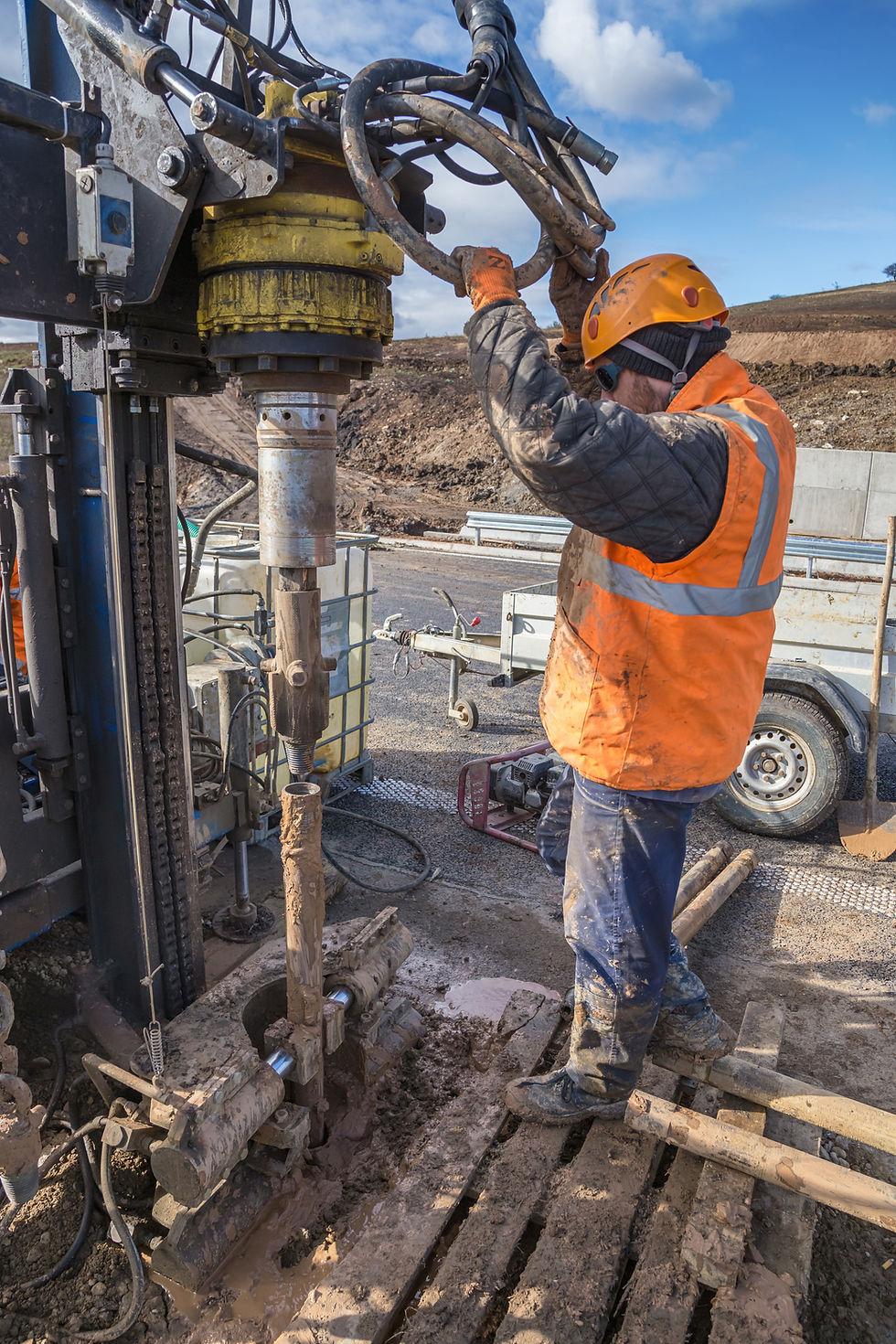
Mud Pumps & Fluid Systems
Drilling-fluid systems circulate fluid to support cuttings transport, cooling, pressure management, and borehole stability.
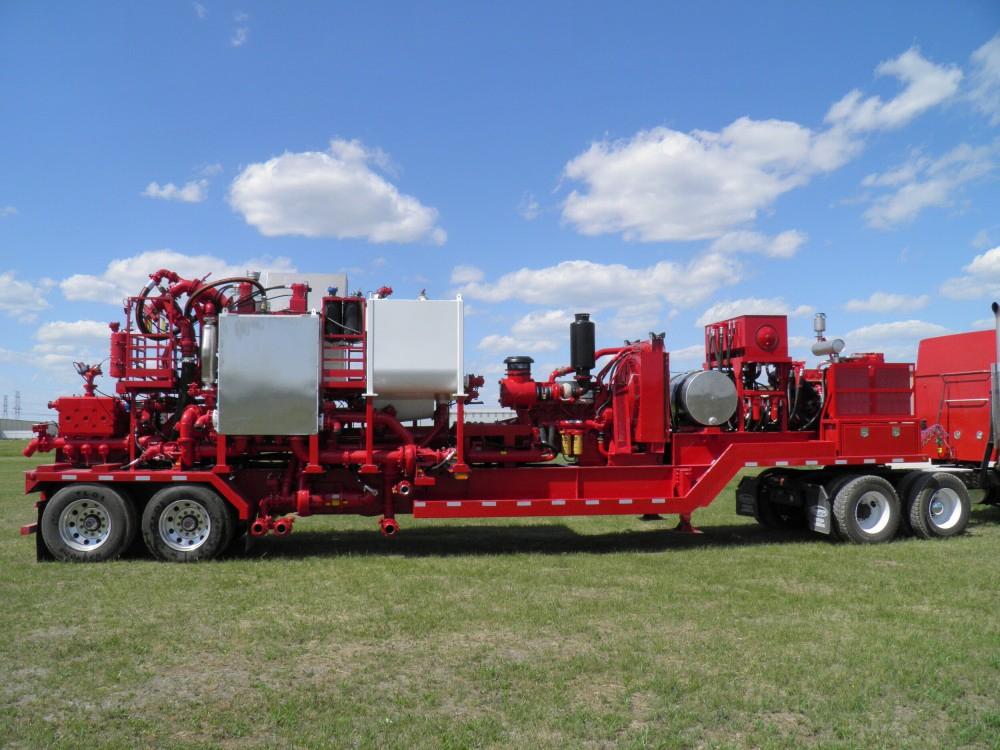
Casing & Cementing Systems
Casing strings and cementing equipment help support the well and provide isolation between relevant formations.
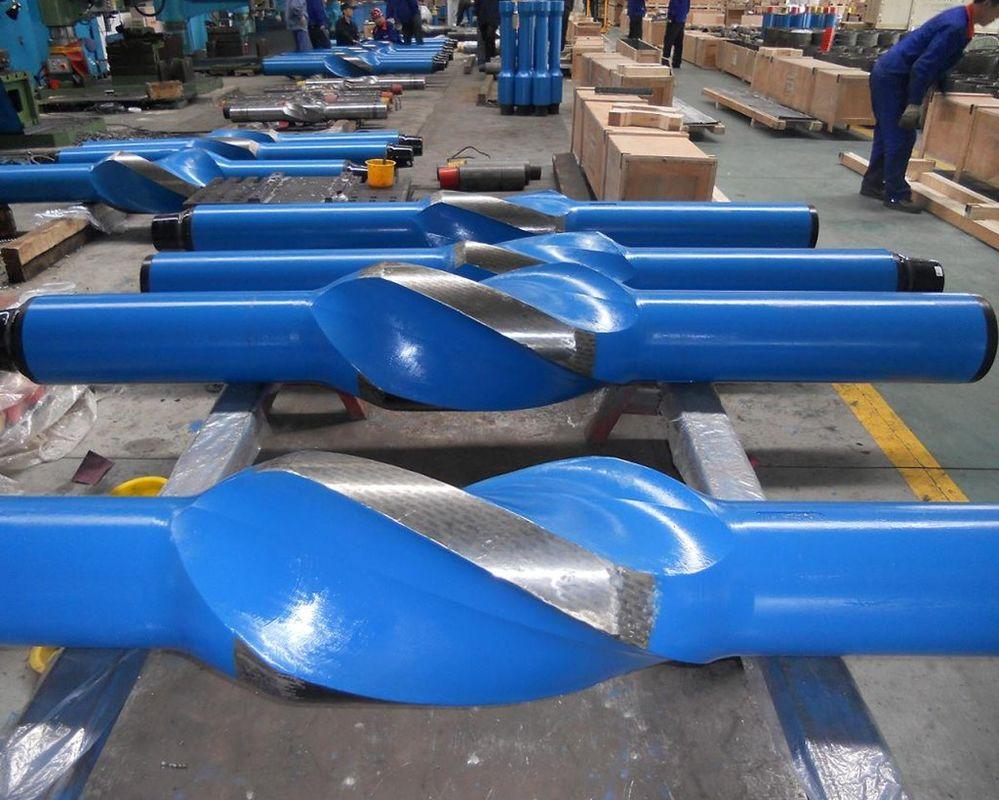
Pressure Control Equipment
Appropriate well-control equipment and verified procedures help manage pressure-related risks during drilling operations.
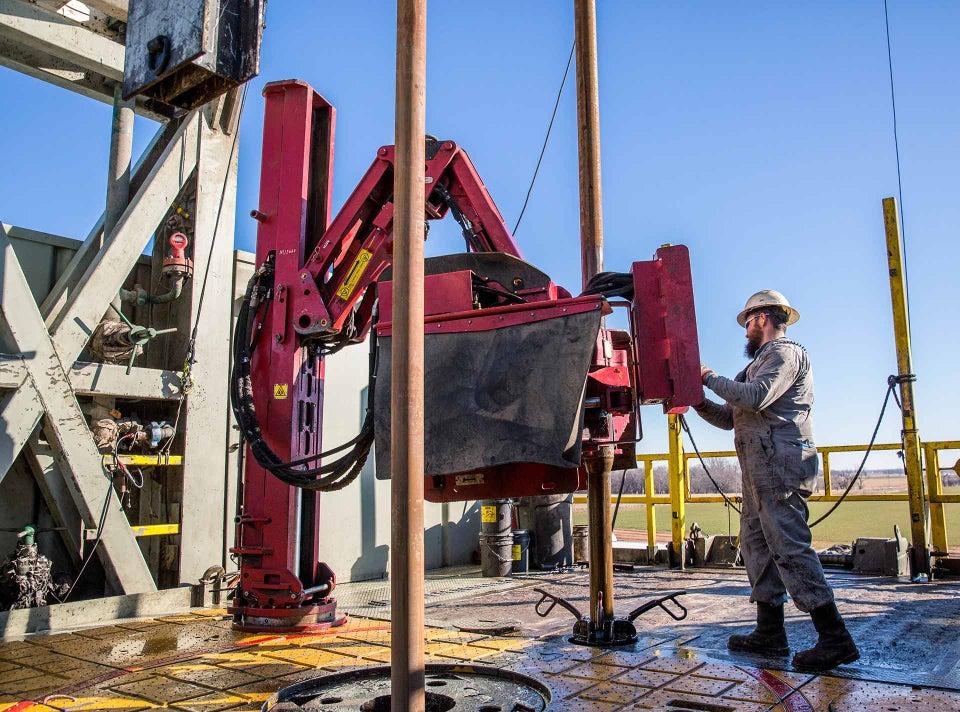
Logging & Monitoring Systems
Sensors, well logs, measurement systems, and field reports help teams track drilling conditions and evaluate formations.
Geologists and Engineers at Every Stage
Effective drilling depends on cooperation between subsurface specialists, drilling engineers, rig crews, and safety personnel. Their responsibilities are defined by the project programme, operating company, and applicable professional requirements.
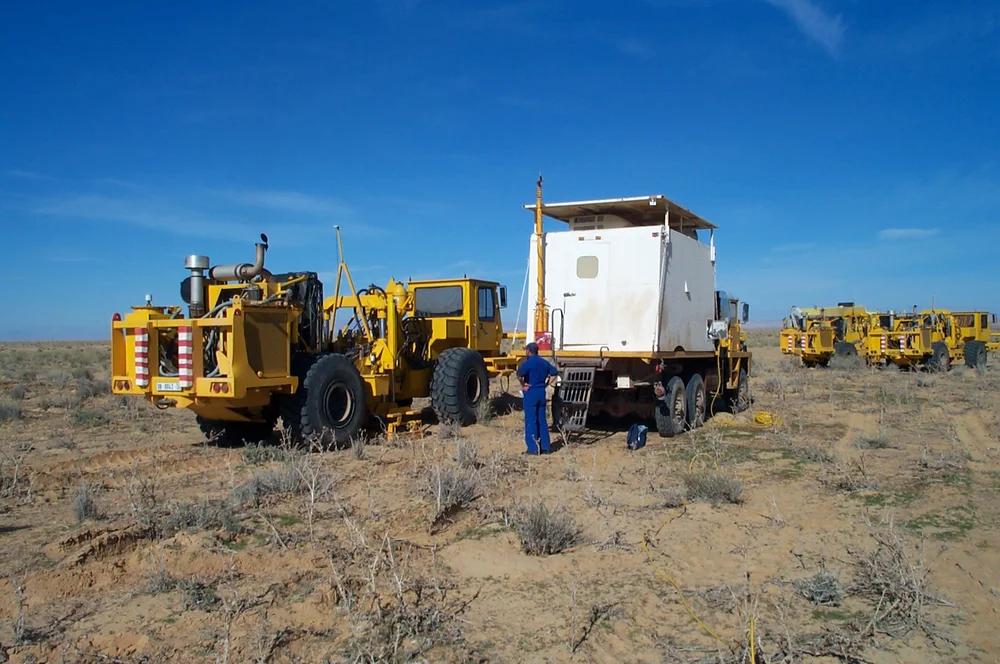
Techniques Selected for the Well
Drilling methods are selected according to the target formation, well geometry, equipment availability, pressure conditions, and the approved technical programme.
Vertical Drilling
A well is drilled primarily downward toward a defined subsurface target, where the geology and development plan make this suitable.
Directional Drilling
Controlled well trajectories allow a well to reach a target away from the surface location where project design requires it.
Horizontal & Extended-Reach Wells
Specialised well trajectories can increase contact with selected formations or reach targets over longer distances, where justified by reservoir and engineering analysis.
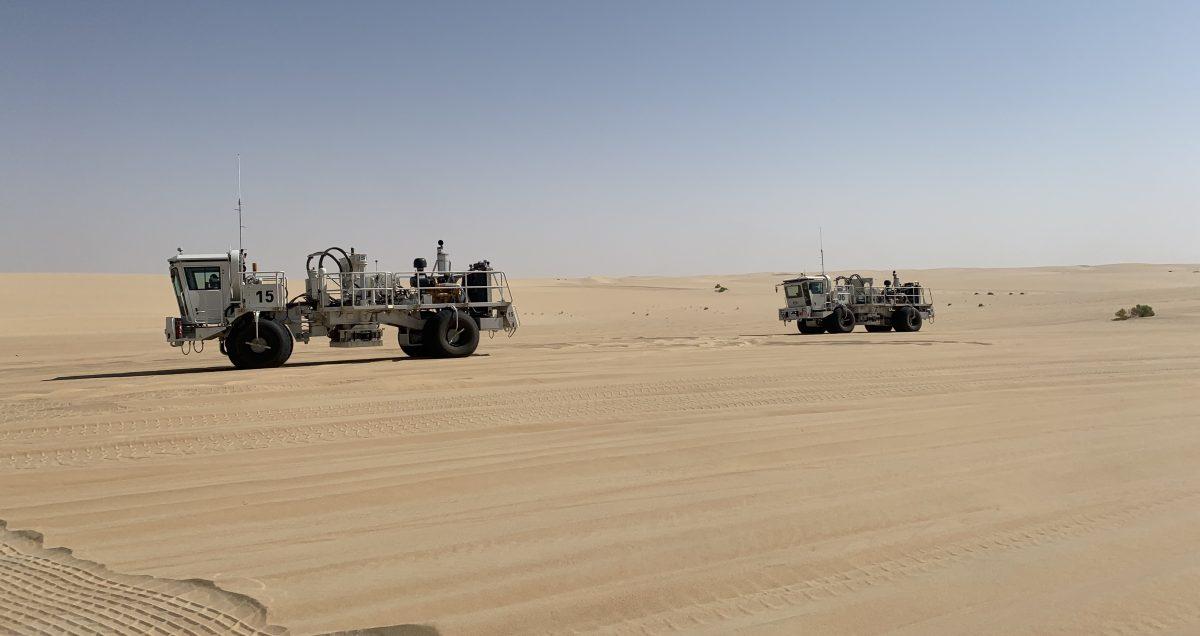
Protecting People, Equipment and Well Integrity
Drilling operations involve pressure, heavy machinery, moving equipment, hazardous substances, and changing subsurface conditions. Risk assessment and effective well-control systems are essential parts of a properly managed drilling programme.
- Site-specific hazard identification and risk assessment
- Appropriate well-control equipment and inspection programmes
- Worker training, personal protective equipment, and toolbox talks
- Emergency response and incident reporting procedures
- Equipment inspection, maintenance, and operational checks
- Well barriers, casing, cementing, and integrity verification
Managing Environmental Risks During Drilling
Well projects should consider environmental risks throughout site preparation, drilling, testing, completion, and eventual suspension or abandonment.
- Drilling-fluid and cuttings handling under the project plan
- Waste segregation, storage, transport, and approved disposal
- Spill prevention and response readiness
- Groundwater and soil protection measures
- Air emissions, noise, and site-impact controls where applicable
- Rehabilitation and closure planning as required
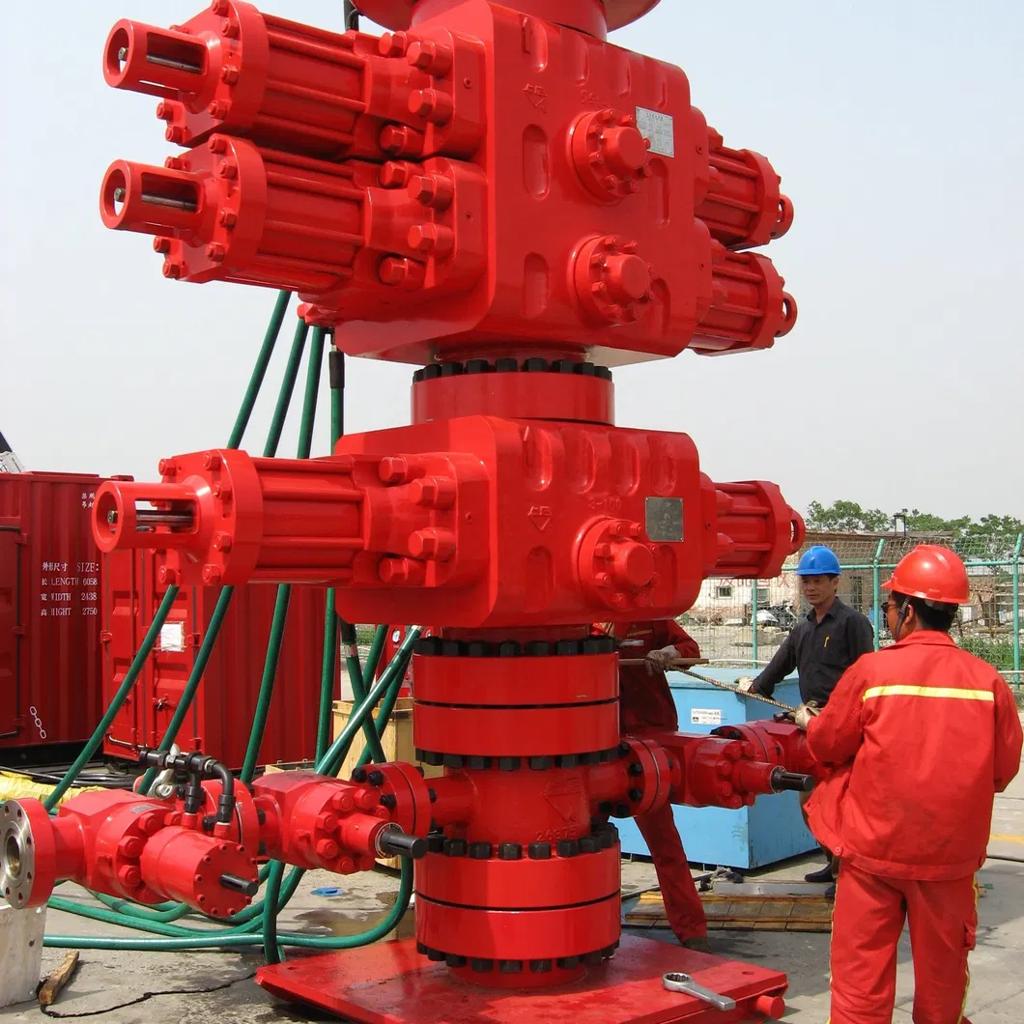
Standards That Can Guide Well Drilling
International standards and recommended practices provide frameworks for well integrity, well-control equipment, occupational safety, and environmental management. The applicable editions and requirements must be confirmed for each contract and jurisdiction.
ISO 16530-1
Addresses well-integrity governance across well design, construction, operation, intervention, and abandonment.
View ISO standard information →API Standard 53
Covers well-control equipment systems for drilling wells, including installation and testing requirements for relevant blowout-prevention equipment.
View API standard information →ISO 45001
Provides a framework for occupational health and safety management, hazard identification, risk control, and continual improvement.
View ISO standard information →ISO 14001
Provides a management-system framework for identifying and managing environmental aspects and improving environmental performance.
View ISO information →Applicable API Specifications
API publishes standards and specifications covering oilfield equipment, tubular goods, drilling systems, well cement, and other upstream equipment and materials.
Browse API standards →Local Rules & Contract Standards
Iraqi and Kurdistan Region legal requirements, permit conditions, operator procedures, and project-specific specifications also govern the work.
Confirm with the relevant authority and project operator.Discuss a Well Drilling Project
Contact our team to discuss drilling-related project requirements, geological coordination, technical services, or potential energy sector partnerships across Iraq and the Kurdistan Region.