Geology and laboratory testing in Kurdistan, Iraq
NAWROZGEOLAB
Physical Sciences · Geology · Geotechnical Engineering

Scientific Investigation. Reliable Engineering Evidence.

Nawroz Geolab is a laboratory-focused branch dedicated to geological sciences, geotechnical engineering, soil and rock testing, mineralogy, and the physical characterization of earth and construction materials. Through field sampling, controlled laboratory procedures, technical analysis, and professional reporting, the laboratory supports informed decisions for engineering and infrastructure projects.

Physical SciencesMaterial properties and measurement
Geology & MineralogyEarth materials and rock characterization
Geotechnical EngineeringSoil and ground investigations
Technical ReportingDocumented findings and expert review
About the Laboratory

A Dedicated Laboratory for Earth and Engineering Sciences

The laboratory's purpose is to examine soil, rock, minerals, aggregates, and selected construction materials through systematic testing and scientific observation.

Nawroz Geolab brings together laboratory operations, field investigation, sample preparation, test execution, data review, and technical reporting within a coordinated service. Assignments may be initiated by a construction project, an engineering consultant, a contractor, a developer, or an organization that requires reliable information about ground conditions or material properties.

Depending on the assignment, personnel may work inside the laboratory or travel to a project site to document conditions and collect samples. The resulting information is evaluated within the agreed scope, with reports reviewed or prepared by the responsible consultant, senior engineer, or other suitably qualified professional.

  • Physical and engineering properties of soil and rock.
  • Geological descriptions and mineralogical examination.
  • Geotechnical laboratory testing and field sampling.
  • Selected construction-material and aggregate testing.
  • Technical evaluation and documented laboratory reports.
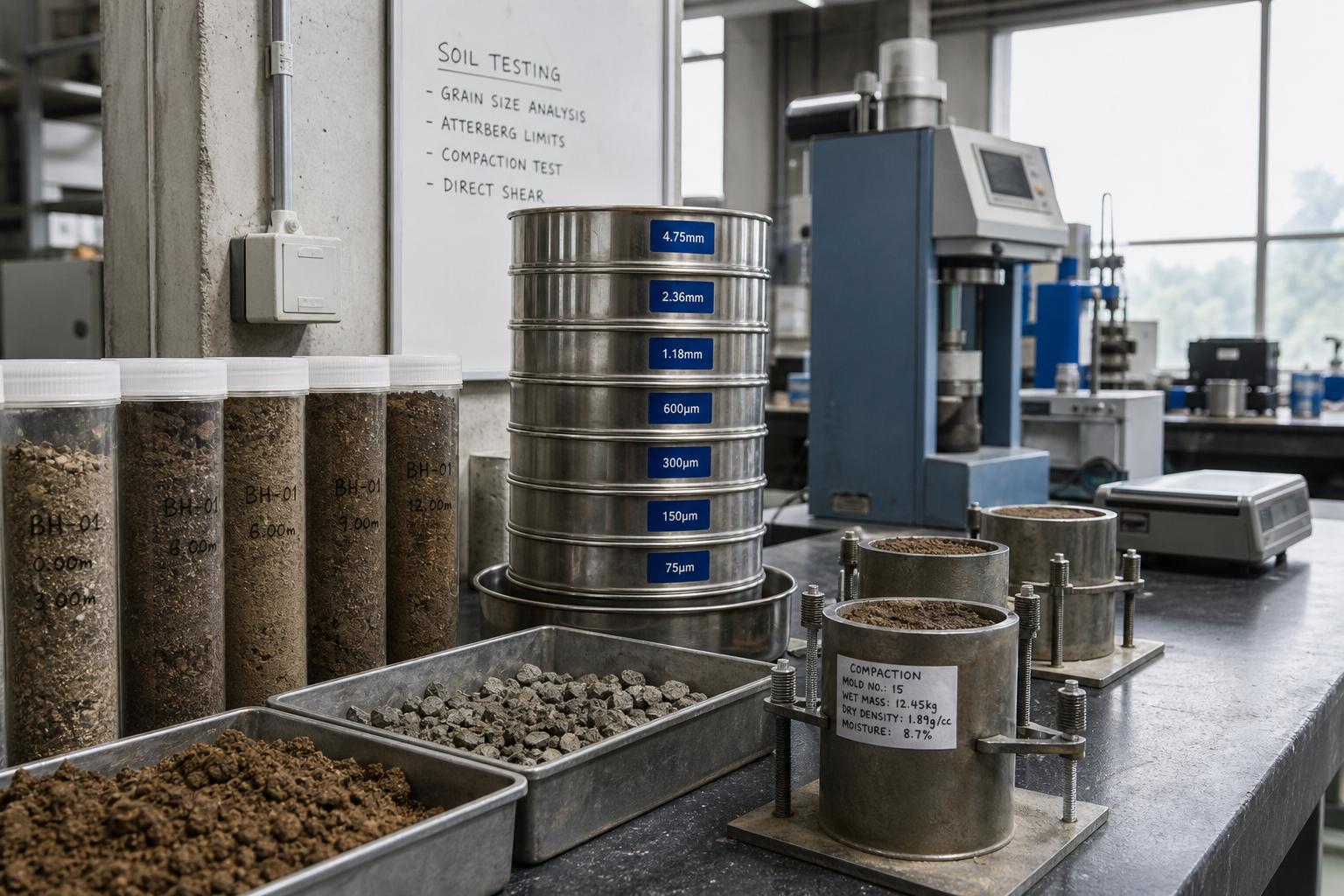
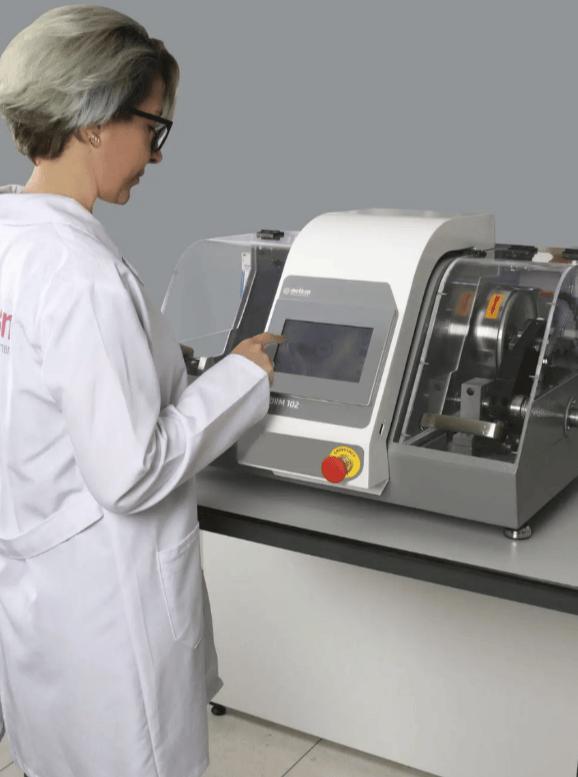
Geotechnical laboratory with testing equipment and geological samples
Scientific Disciplines

Our Areas of Laboratory Work

The laboratory brings together complementary scientific and engineering disciplines to help characterize earth materials and assess their relevance to a specific project.

01 · Physical Sciences

Physical Properties & Measurement

Measurement and evaluation of selected physical properties, sample characteristics, density, moisture, particle distribution, and other parameters relevant to the test scope.

02 · Geology

Geological Investigation

Description of rock formations and geological materials, field observations, sample logging, and characterization to support engineering or resource-related studies.

03 · Geotechnical Engineering

Soil & Ground Behaviour

Testing of selected soil properties relevant to foundations, earthworks, road subgrades, slopes, and other civil-engineering applications.

04 · Mineralogy

Mineral Identification

Examination of mineral composition and characteristics using appropriate observation and analytical techniques available for the assignment.

05 · Rock Analysis

Rock & Petrographic Assessment

Visual description and selected physical, mechanical, or petrographic examinations to help assess rock characteristics and potential engineering uses.

06 · Materials

Construction Materials

Testing of selected aggregates and other construction materials against the applicable requirements defined for a project.

Laboratory Services

Testing Services for Projects and Consultants

Each assignment begins with an agreed testing scope. The actual services offered should reflect the laboratory's available equipment, trained personnel, validated procedures, and applicable requirements.

Soil samples undergoing laboratory analysis

Soil Testing

Selected soil classification and engineering tests, potentially including moisture content, particle-size distribution, Atterberg limits, compaction, and suitable strength tests.

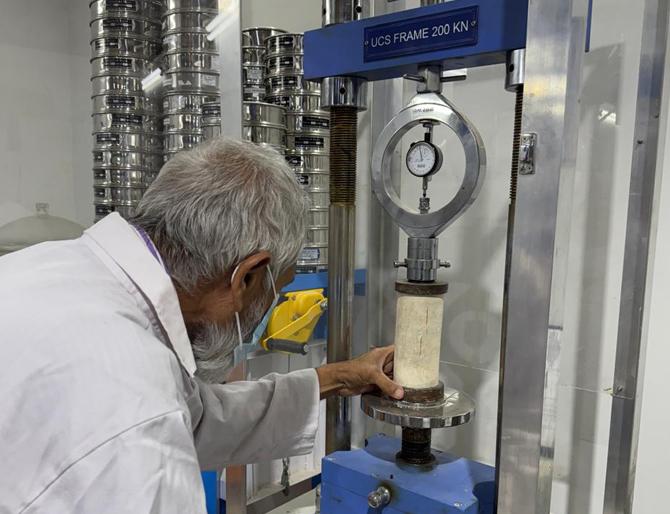
Rock cores prepared for physical and mechanical testing

Rock Testing

Rock sample description and selected physical or mechanical tests to characterize materials for geological assessment, excavation, or engineering studies.

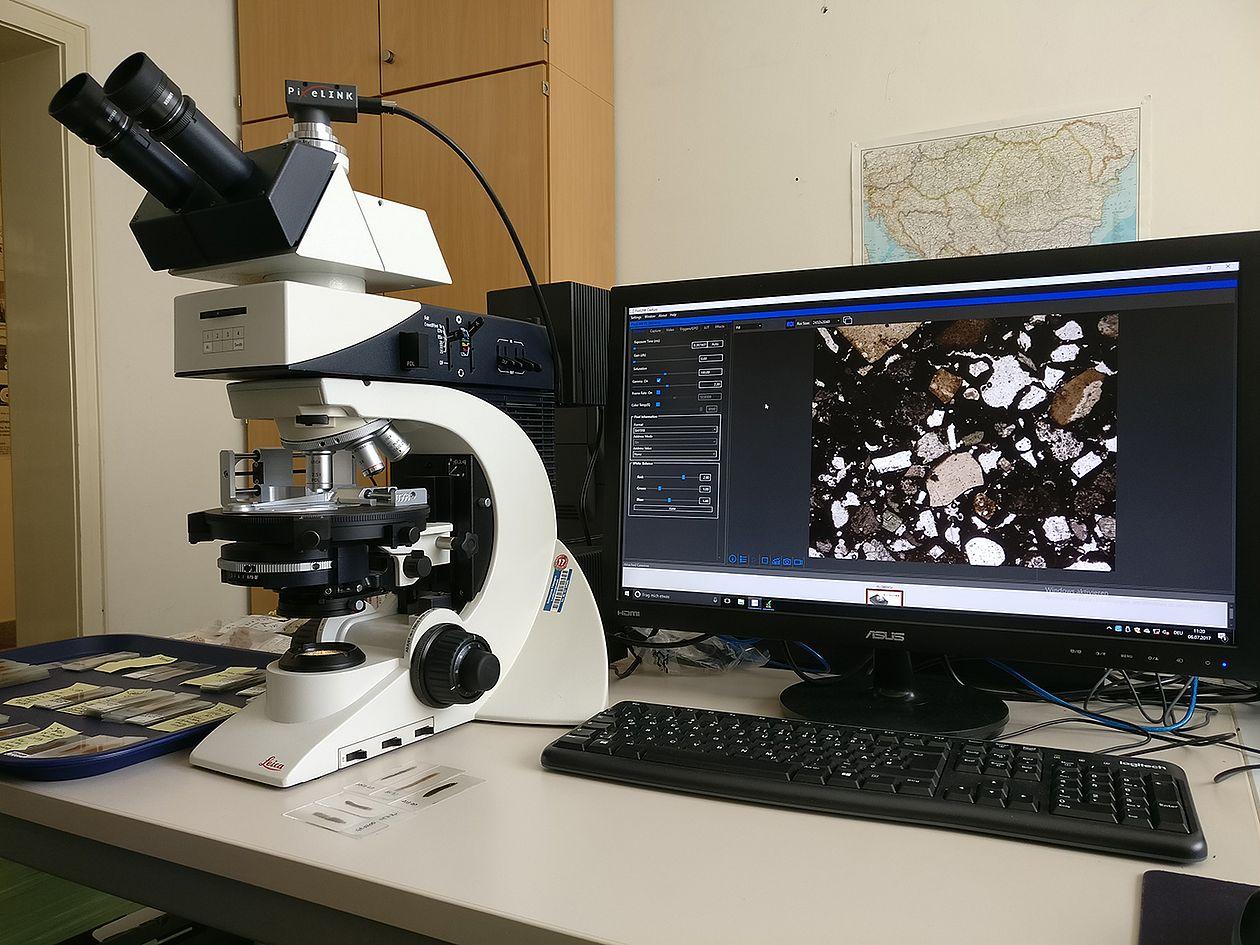
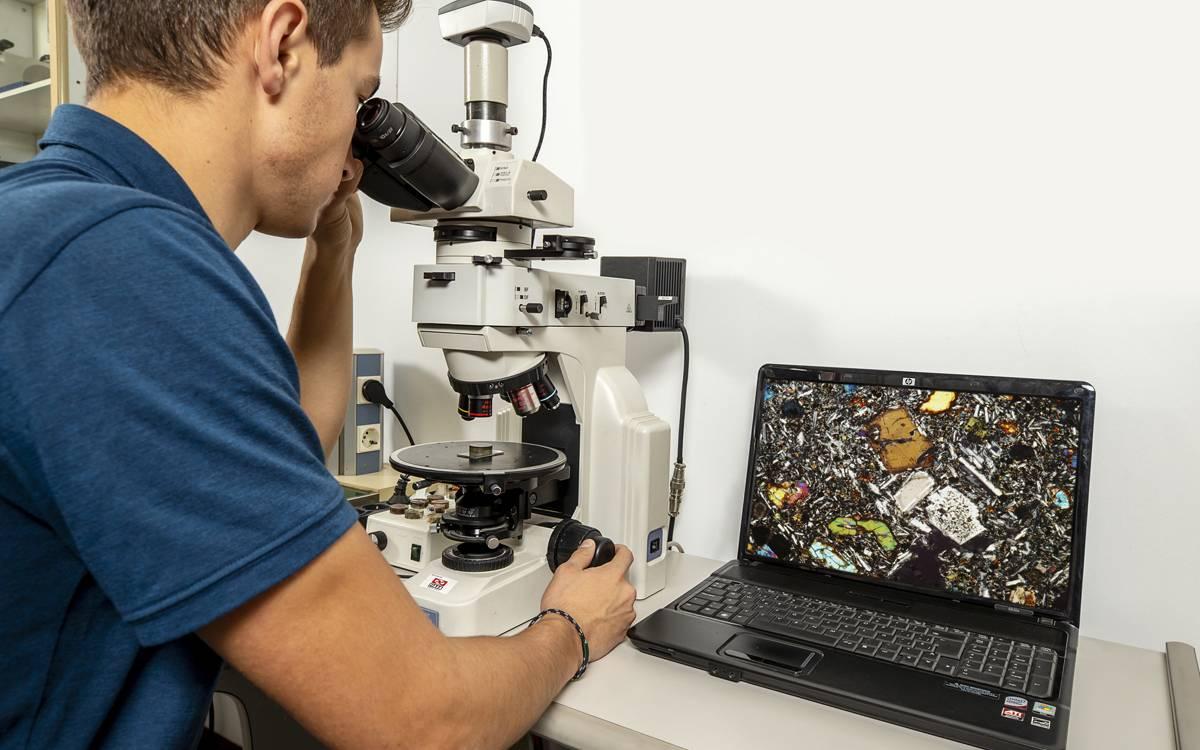
Mineralogical analysis under a microscope

Mineralogy & Petrography

Examination of minerals, rock textures, and geological characteristics using suitable laboratory methods and available analytical equipment.

Aggregate and gravel samples for construction testing

Aggregate & Material Testing

Selected grading, density, absorption, durability, and other material tests where suitable methods and equipment are available.

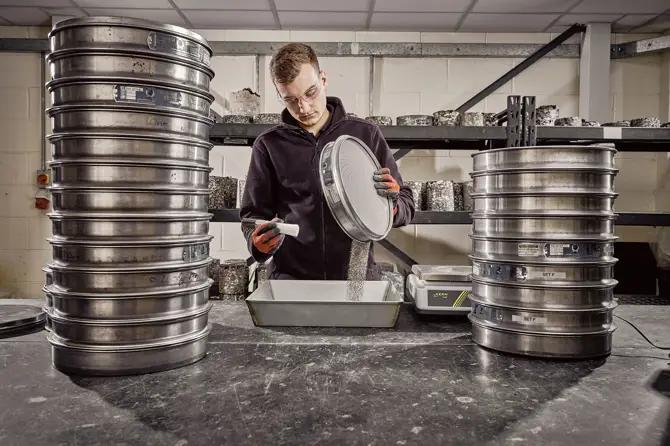
Laboratory technician preparing samples for testing

Sample Preparation

Sample receipt, registration, identification, preparation, storage, and handling appropriate to the material and requested test method.

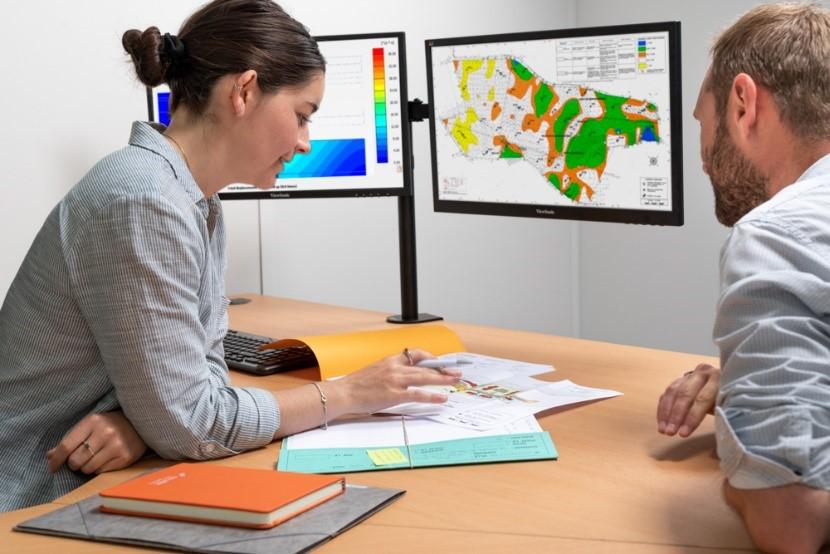
Engineering consultant reviewing laboratory results

Results & Technical Reports

Documented results and technical findings, with review or interpretation by the responsible consultant, senior engineer, or other qualified professional.

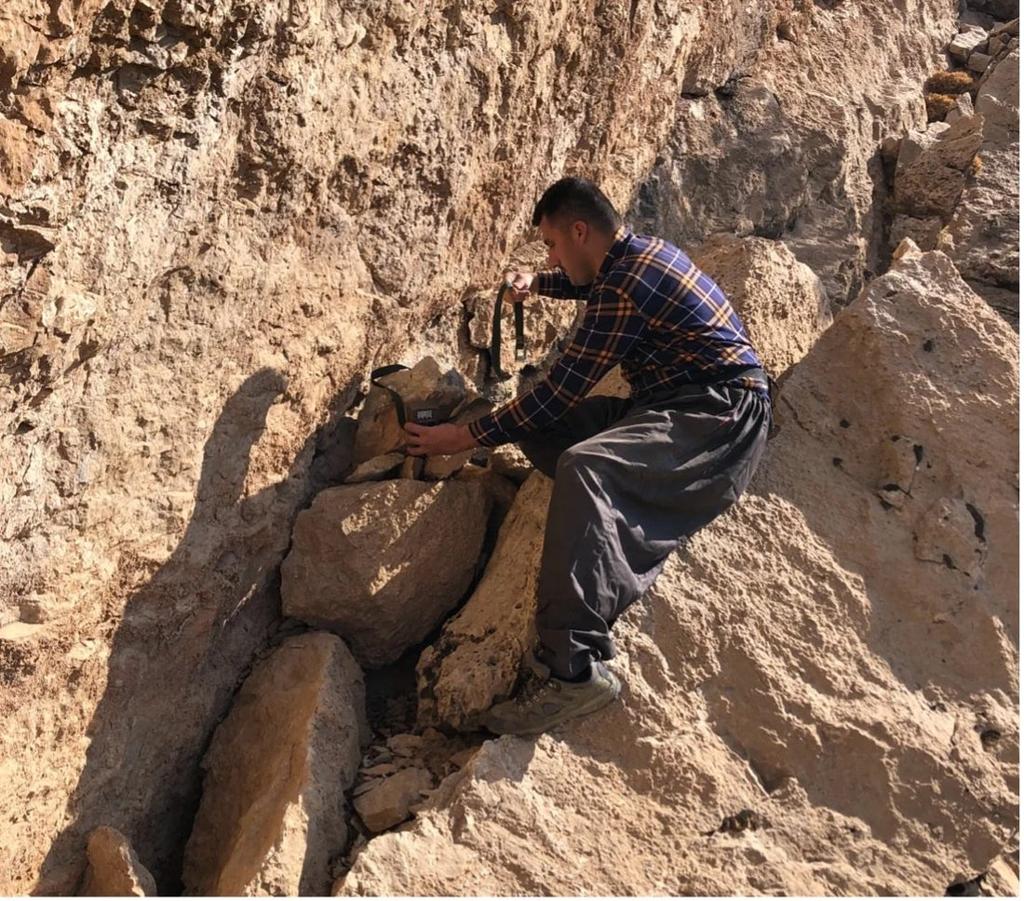
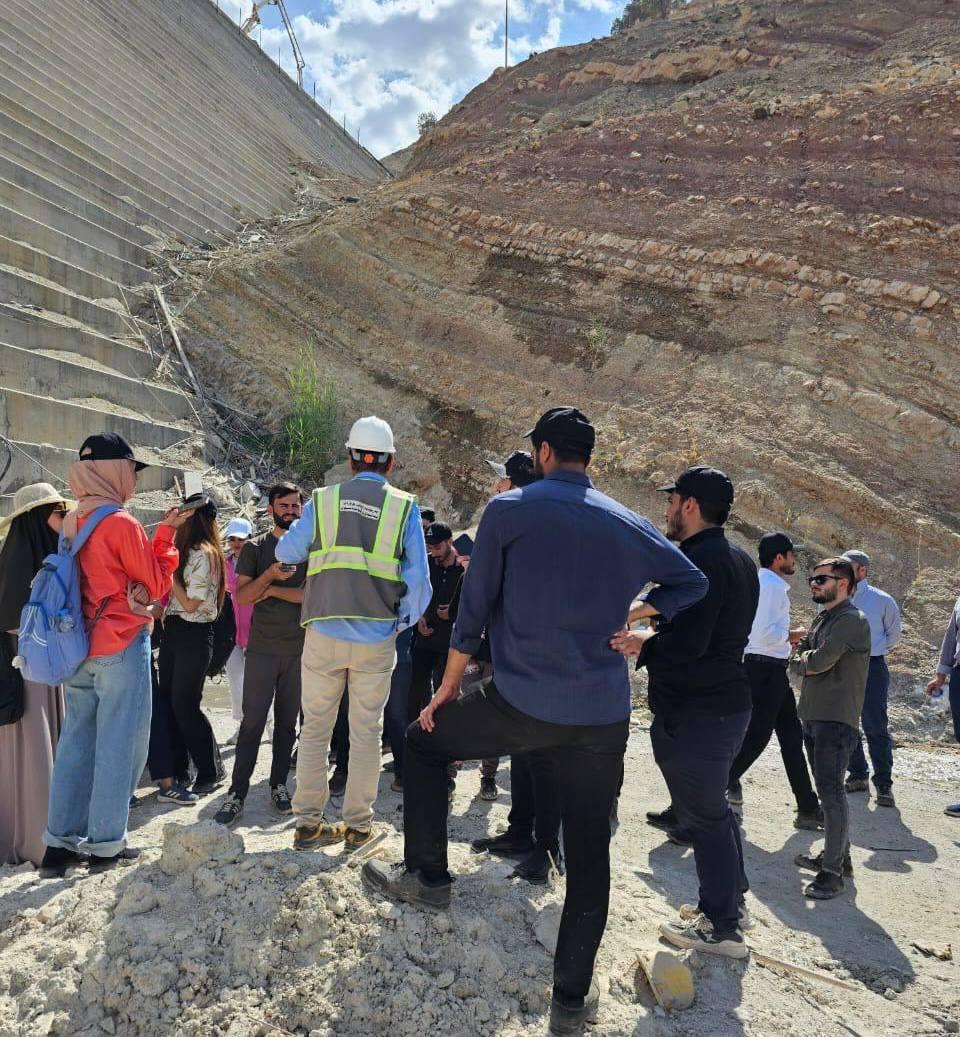
Geologists and geotechnical engineers collecting samples at a field site
Field Operations

Field Sampling and Geological Investigation

Not all laboratory assignments begin with samples delivered by a client. Some projects require field personnel to visit the site, document geological conditions, collect representative samples, and arrange their transfer to the laboratory.

  • Review the assignment and site access requirements.
  • Record field observations and relevant sample locations.
  • Collect, label, and document samples according to the plan.
  • Maintain sample identification and handling records.
  • Conduct the agreed laboratory tests after sample receipt.
  • Include relevant observations and limitations in the report.

Boreholes, in-situ testing, geophysical surveys, and other specialized field operations should be included only where required by the project and supported by suitable equipment and competent personnel.

Standard Operating Procedures

How Laboratory Work Is Managed

A consistent process supports sample traceability, reliable measurements, clear documentation, and appropriate technical review.

Step 01

Request & Scope Review

Confirm the project question, material type, requested tests, specifications, sample quantity, and reporting requirements.

Step 02

Sample Receipt & Identification

Register samples, record their condition and origin where known, and assign traceable identifiers.

Step 03

Preparation

Prepare, split, dry, sieve, trim, or otherwise handle samples as required by the selected test method.

Step 04

Test Execution

Perform the agreed procedures using suitable equipment and record the required measurements and observations.

Step 05

Quality Checks & Review

Check calculations, units, records, unusual results, and equipment status; investigate discrepancies when appropriate.

Step 06

Reporting & Authorization

Compile the results, methods, and limitations, then route the report for review and authorization by designated personnel.

These steps describe a recommended laboratory workflow. The laboratory should adopt documented operating procedures appropriate to each test and its actual equipment, staff competencies, and quality system.
Testing Menu

Examples of Tests and Their Applications

The table outlines common test categories. Availability must be confirmed against the laboratory's actual capabilities before a test is offered to clients.

MaterialExamples of testsPotential application
SoilMoisture content, grading, Atterberg limits, compaction, selected strength testsFoundations, road subgrades, earthworks, and site assessment
RockVisual description, density, porosity, selected strength testsExcavation, geological characterization, and engineering studies
MineralsMineral identification and suitable compositional or petrographic examinationGeological and mineralogical studies
AggregatesParticle-size distribution, density, water absorption, selected durability testsRoads, concrete, and other construction applications
Construction materialsSelected physical or mechanical properties as specifiedMaterial verification and project quality checks
Field samplesSample logging, identification, preservation, and traceable handlingSite investigation and laboratory assessment
Only list specific tests as available services when the laboratory has the necessary equipment, competent staff, and appropriate procedures, or has a defined arrangement with a qualified external laboratory.
Expert Review & Reporting

Results Interpreted by Qualified Professionals

Testing produces measurements; professional interpretation explains their significance within the project's scope. Nawroz Geolab's reporting workflow is intended to keep those two functions clearly documented.

Depending on the assignment, a technical report may include:

  • Client, project, and sample identification.
  • Sampling information and sample condition.
  • Test methods and relevant standards.
  • Measured values, units, and observations.
  • Interpretation and limitations, where applicable.
  • Review and authorization by designated personnel.

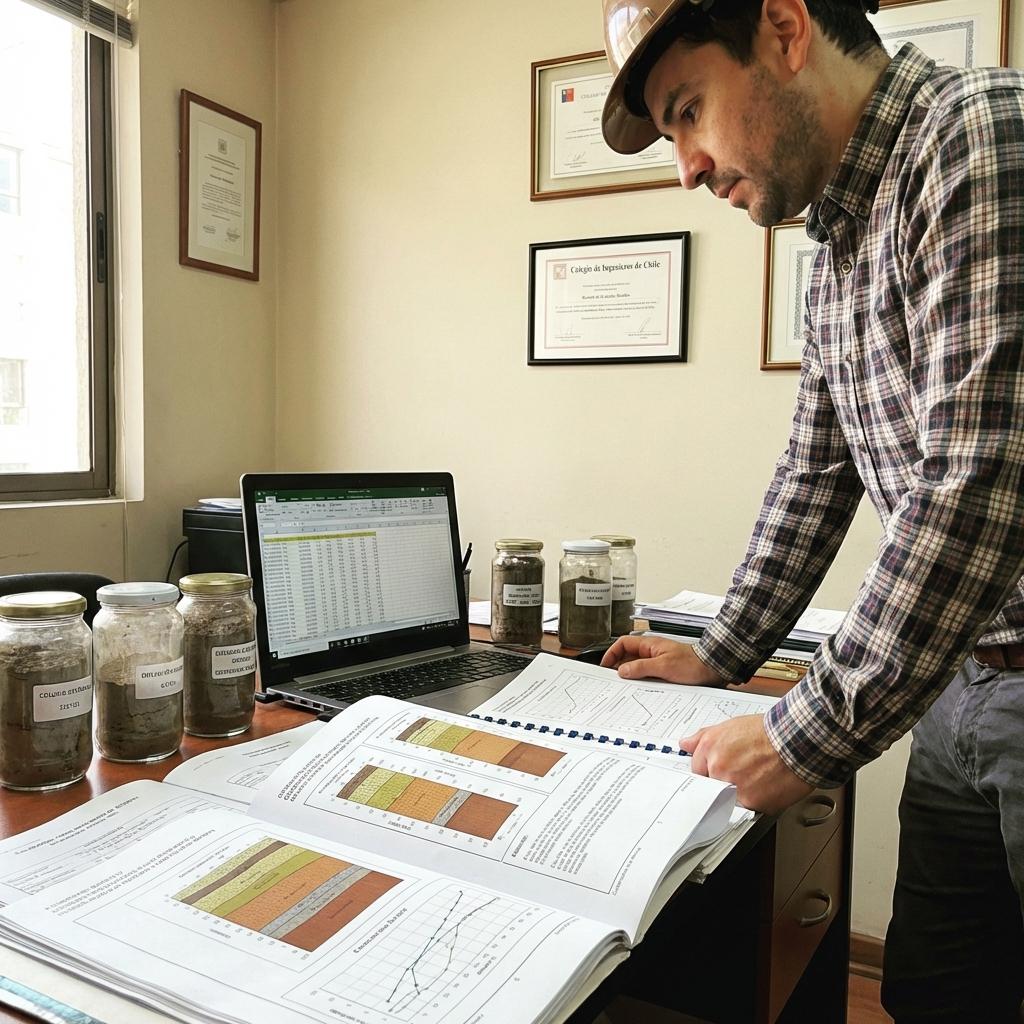
Consultants and senior engineers should review or prepare interpretations and recommendations within their professional competence. Conclusions should be supported by the evidence available and the agreed scope of work.

Senior engineer reviewing laboratory measurements and technical report
Project Applications

Supporting Engineering Projects in Iraq and Kurdistan

The laboratory's potential applications include residential construction, urban infrastructure, transport projects, and geological studies. The examples below illustrate possible work categories rather than verified ongoing contracts.

Residential development and surrounding terrain in Slemani
Residential Construction

Slemani

Potential assignment: soil and rock testing to help characterize ground conditions for residential buildings, commercial properties, and foundations.

Road and infrastructure construction in Erbil
City Infrastructure

Erbil

Potential assignment: soil, aggregate, and selected material testing for road construction, bridge projects, and urban infrastructure.

Geological rock formations in the Kurdistan Region of Iraq
Geological Investigation

Regional Studies

Potential assignment: rock characterization, mineralogical examination, sample collection, and geological assessment for engineering or resource-related projects.

Standards & Quality Assurance

Documented Methods and Traceable Results

Appropriate testing requires defined procedures, competent personnel, suitable equipment, traceable records, and review of results before reporting.

Test methods should be selected based on the material, purpose of the investigation, client requirements, and applicable project or regulatory specifications.

Equipment checks, calibration where applicable, sample traceability, method records, and report authorization should form part of the laboratory's quality procedures.

Potentially Applicable Standards

Depending on the test, relevant references may include:

ASTM methods ISO standards BS standards Project specifications Iraqi requirements KRG requirements
Standards must be selected for each applicable test. Their mention does not establish that the laboratory is accredited or certified. Publish accreditation or certification claims only after verification.
Laboratory Enquiries

Discuss Your Testing Requirements

Contact Nawroz Geolab to discuss soil and rock samples, geological investigations, geotechnical testing, material analysis, or technical reporting for your project.

Nawroz Energy Holding - Footer